

Our second issue, PUBLIC/PRIVATE is now shipping! Over the coming weeks, we'll be publishing new stories from the issue. Not every story will become available to read for free, so if you'd like to access the full issue, you can buy a copy in our shop or subscribe.
What’s it like to be chased?
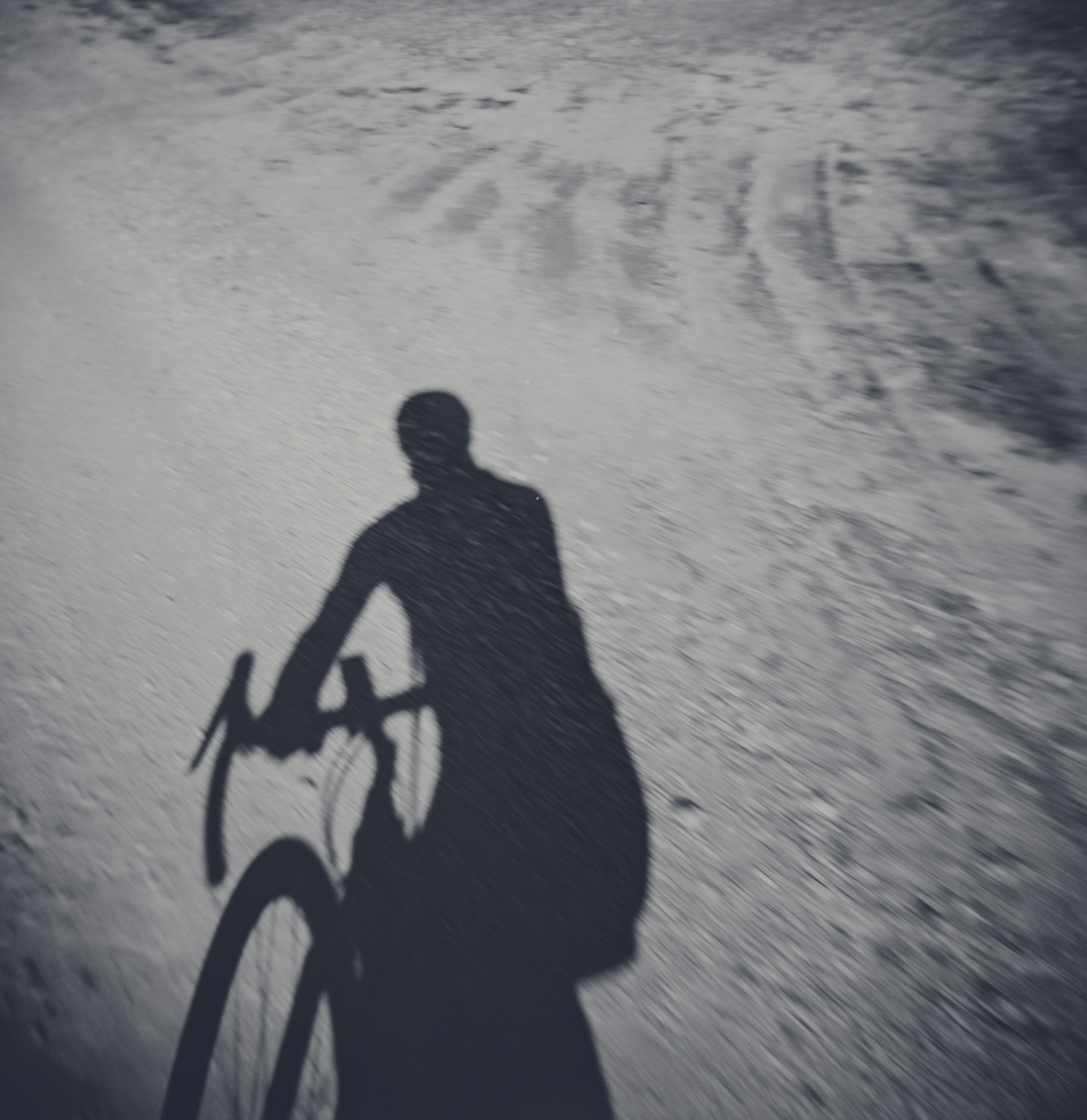
Please don’t tell my wife, but it’s a symphony of terror tightly bound by profanity, vulgarity, and obscenity. It’s breathing hard at the top of a hill (or, worse, cresting one hill only to find another looming), it’s seeing a flash of movement and color and rapidly approaching fur and fluff that is coming faster than the eye can track, and it’s the immediate switch flipped into hard-driving flight and self-preservation—and in that moment, you are an antelope in the African savannah, and something just ahead is parting the grasses like a demented Moses, and so life flashes before your eyes and you stamp out the ridiculous fantasies of the African savannah, and you pedal and do not feel your feet and legs and knees burning, though they are all surely fully ablaze. And in that moment of not-feeling, your eye catches another fleeting glimpse of your dogged (sorry) pursuer churning up more dust than the biggest big rig on the dustiest road, and somewhere in there you realize that your heart is dangling like a stone from your uvula, but you can’t gulp it down because that is simply where it lives now. And the dog is at your heels and it’s been there all along. In a moment of clarity, you attempt to reason with the dog, offering arguments like, “Go home!” and “Fuck off!” In a desperate bid to establish the fact that you and the dog’s owner are really not so very different, you scream, “Good dog! Good fuckin’ dog!”
And maybe those work, you can never tell, but eventually the dog gives up the hunt, and the antelope lives to bike another day, with its heart permanently lodged in the narrow pocket of its throat.
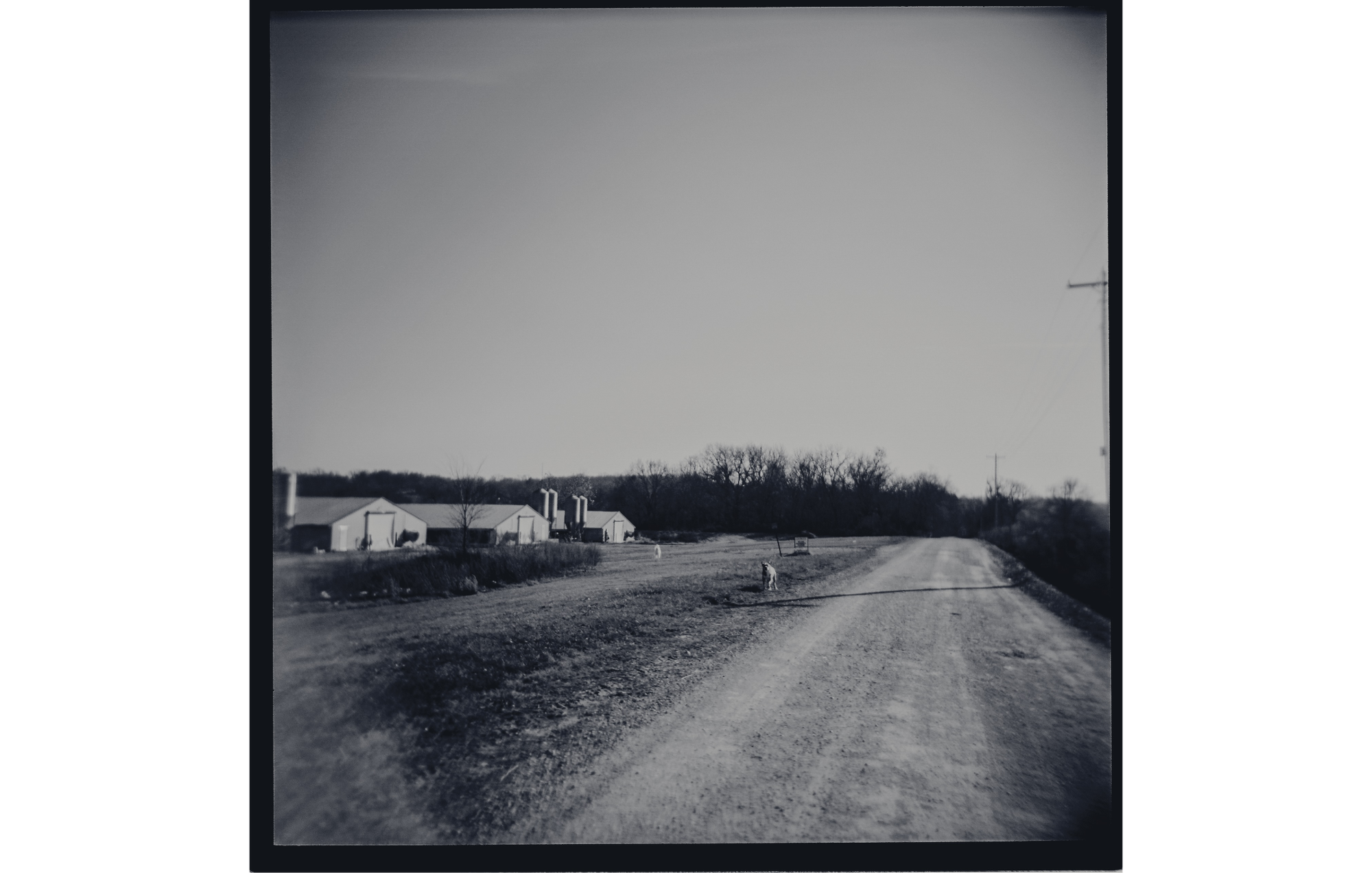
If you’ve driven the dirt roads of Northwest Arkansas in the past few years, it goes without saying: the place isn’t what it used to be.
Not that anyone around these parts is surprised. We’ve been able to read the writing on the wall for decades. It’s struck in stone, practically in all caps: Bentonville is a company town, and while the company in question—Walmart, which has been rooted in Bentonville since 1950, when Sam Walton opened Walton's 5&10 on the downtown square—has reshaped every American small town, drained them all of local marrow, it has arguably reshaped this one most of all, albeit in the opposite direction. The company’s founding family drove a decades-long effort to produce a suitable home for the executive set, which culminated last year with the completion of a new “Home Office” downtown. It is a not-so-subtle twist of irony that this sprawling, Silicon Valley-style campus has been made to resemble a bustling small town district, with satellites of local shops and restaurants anchoring the first-level storefronts, a picture-perfect small town made even more perfect.
The influx of cash hasn’t stopped at Bentonville’s borders. It’s rippled outward, finding the path of least resistance on the three-thousand-odd miles of unpaved roads that spread like a network of mycelium through the surrounding rural communities. Although the roads themselves have been slow to change, the shifts have come fast along them. Hundreds of acres of family farms have been splintered, fragmented, and fractured into countless smaller parcels and then scooped up by wealthy transplants looking for a “country lifestyle.” The predictable upshot has been a series of cultural collisions that now play out on a daily basis between new arrivals and longtime residents.
And their dogs.
That is somewhat problematic in a place that, as a part of its makeover, has begun to bill itself as the “Mountain Biking Capital of the World.” On the local gravel cycling Facebook pages, few posts get more engagement than those about notoriously aggressive dogs. More often than not, they’re simply warnings about those dogs’ locations. Others take a more visceral tack, with photos of bleeding ankles. Almost always, however, fellow riders offer commiseration (“I’ve narrowly escaped these dogs as well.”), recommendations (“Call the police. This isn’t a discussion. You must call the police.”), and suggestions (“Maybe go back with bear spray or legal gun.”).
What is never discussed in all of this hand-wringing is the fact that those dogs and their owners likely far predate the people riding their bikes here.
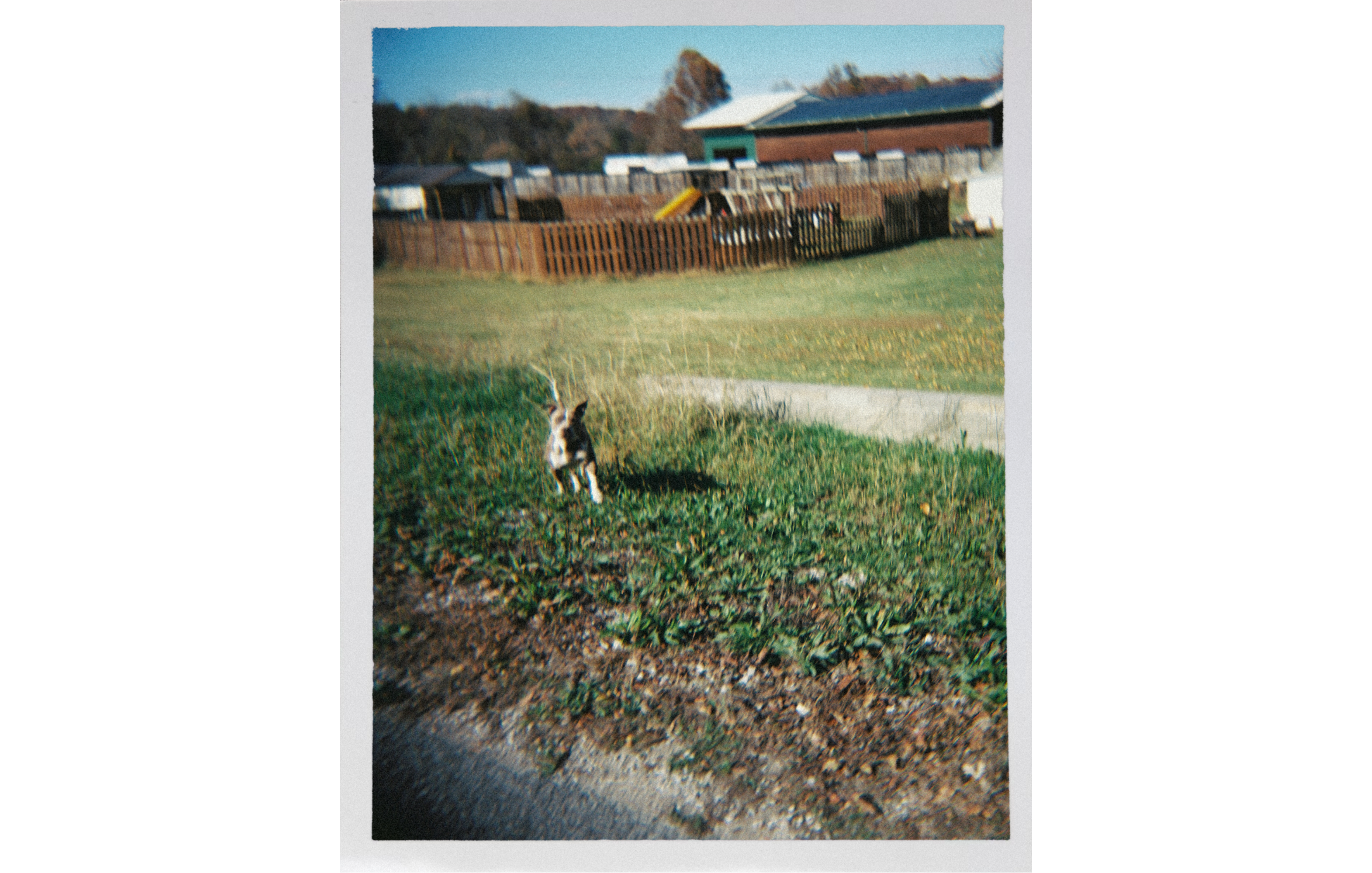
I call them yarddogs. It’s a shorthand, yes, a suturing, two words mortared together. But it’s something more, too, a way of lumping together two pieces of unknown in one memorable word, of adding emotional distance—and thereby keeping the dogs and their owners abstract, not beings whose own experience needs to be considered.
But then I remind myself that I'm toeing the line of hypocrisy. After all, my wife and I own a piece of land in neighboring Washington County, down a dirt road, a place you only go if you have a reason. We own a dog, a German shepherd, who growls from the front window when someone walks too close to our house. We recently got another German shepherd puppy, and I wonder sometimes: when we finally build a home on that long dusty road, might our dogs one day be yarddogs, too?
This post is for paying subscribers only
Subscribe now and have access to all our stories, enjoy exclusive content and stay up to date with constant updates.
This post is for paying subscribers only
Subscribe to get access to this and all premium content.