

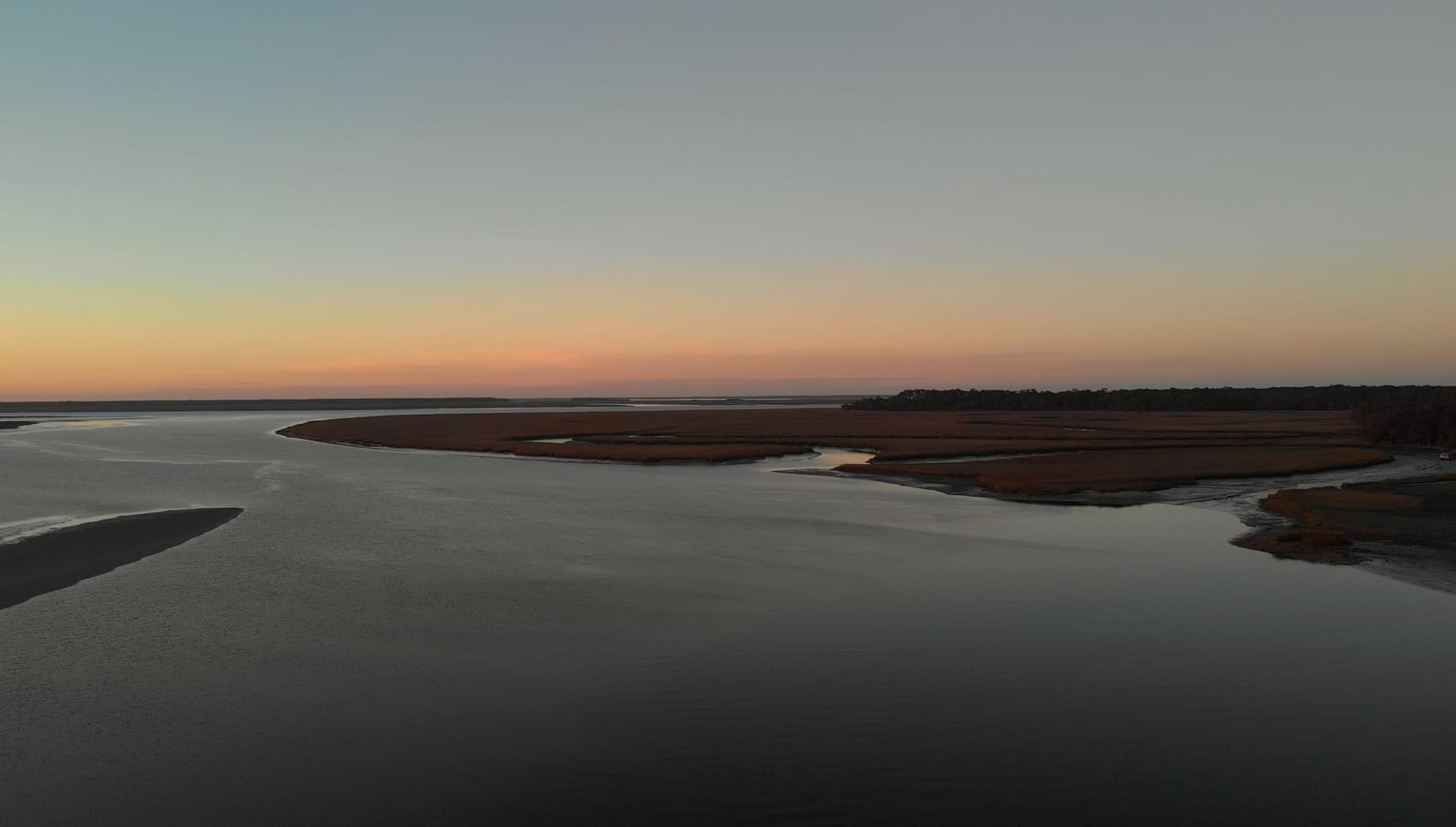
It’s a mild January day in coastal Georgia when PJ, a boat captain and local firefighter, steers us down the Intracoastal Waterway and into the Brickhill River, dropping me off on the north end of Cumberland Island. Almost all of this 36,000-acre barrier island is managed by the National Park Service as a National Seashore, and 9,800 acres are designated wilderness.
Late last year, the Park Service released a draft of its new Visitor Use Management Plan for the island that would more than double daily ferry traffic, raising the visitor cap from three hundred to as many as seven hundred people a day, while expanding bike and e-bike access and introducing new recreational infrastructure like campsites and a small store. The proposal, although framed as a routine update, would drastically recalibrate the meaning of a public wilderness on one of the last largely undeveloped barrier islands on the East Coast.
Cumberland’s maritime forests, shifting dunes, and beaches evolved to absorb wind, salt, and storms—not crowds. The concern over the Visitor Use Management Plan is scale: increasing human presence risks eroding the conditions that made the island’s wilderness worth protecting in the first place.
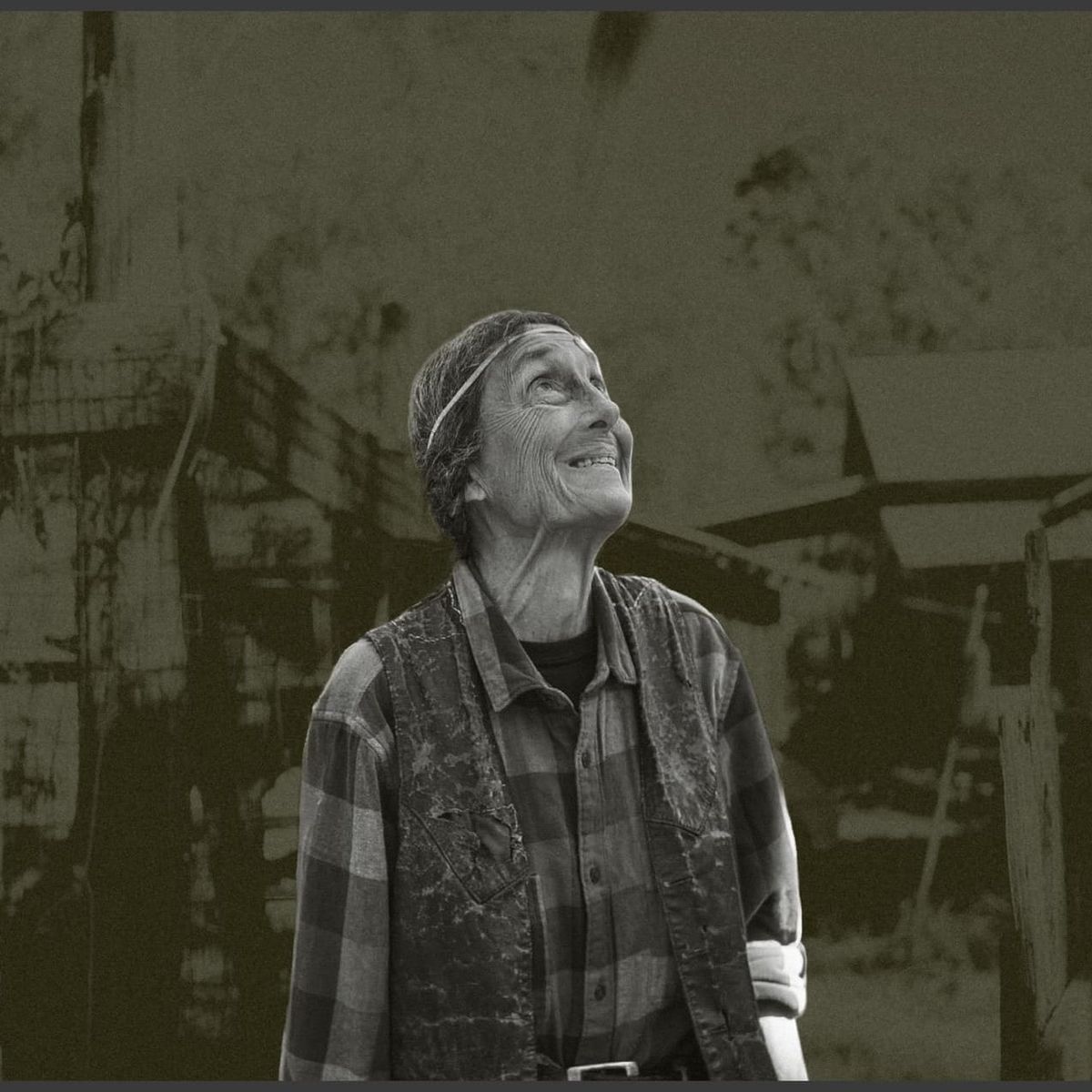
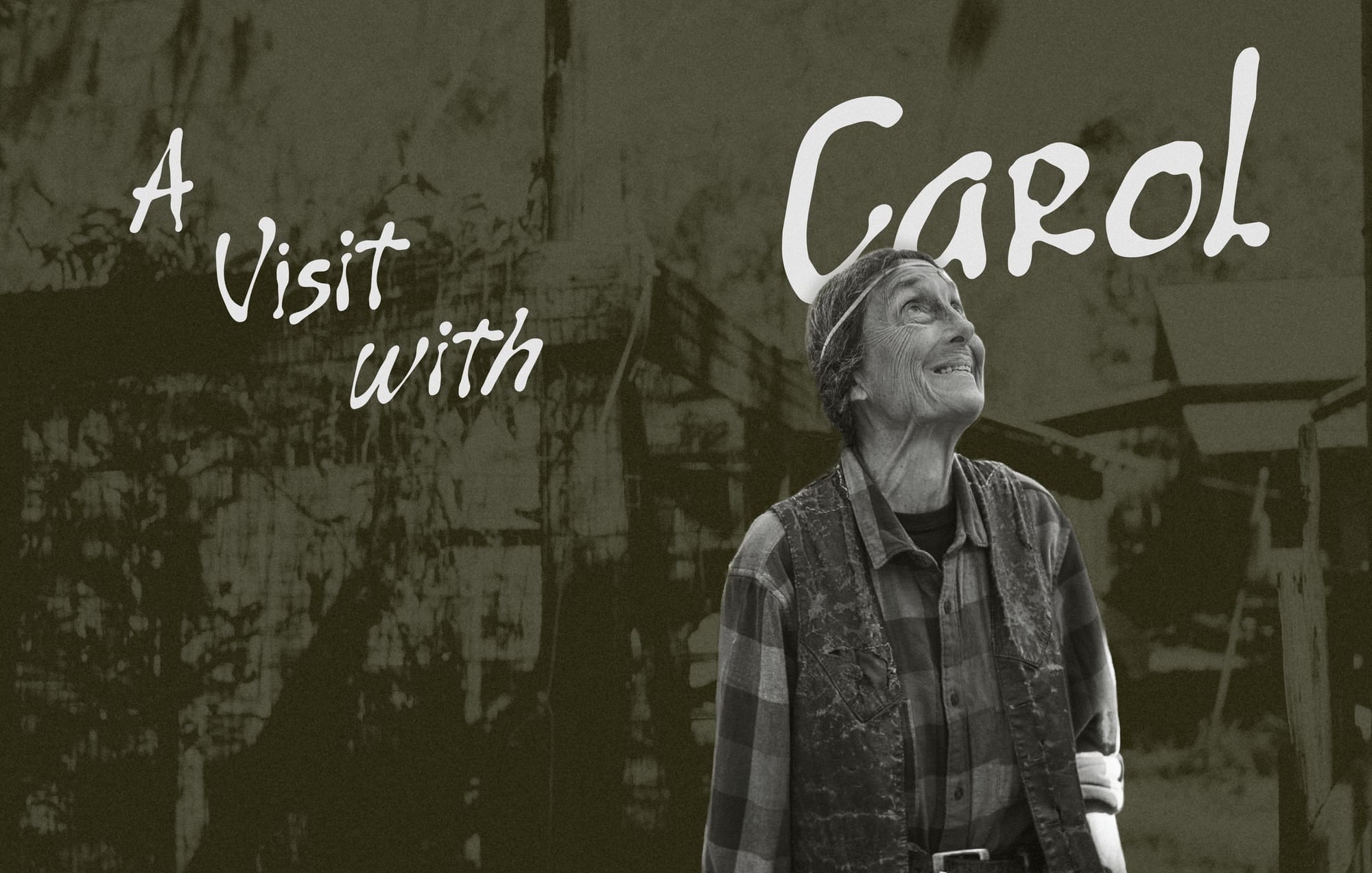
I’ve come to speak with Carol Ruckdeschel, often called the “wildest woman in America.” She first visited Cumberland Island in the 1960s, in her late twenties, after a divorce. It was entirely unprotected and sparsely inhabited then. She later said that being on the island felt like recognition—as though something deep was “clicking into place.” Within a year, she found her way back. After working briefly for the Candler family—descendents of the founder of Coca-Cola, who own part of the island—and conservation agencies tied to Cumberland, she bought a small shack in 1978. For almost fifty years, Carol has lived in a singular arrangement with Cumberland Island: often alone and self-sufficient, and wholly devoted to the island.
I’ve come to seek out Carol on Cumberland Island, where she has spent decades studying and defending its fragile ecosystems. Now in her mid-eighties, she faces a new challenge: a federal management plan that could fundamentally alter the character of the island she has devoted her life to protecting.
I point my mountain bike toward the northern end of the island, my tires slipping occasionally in the thick sand. I swerve to avoid fragrant evidence of wild horses and watch armadillos sniffing for larvae and saw palmetto fruit in the litter beneath live oaks.
This post is for subscribers only
Subscribe now and have access to all our stories, enjoy exclusive content and stay up to date with constant updates.
This is not a paywall
You can read this story for free, once you sign in.