

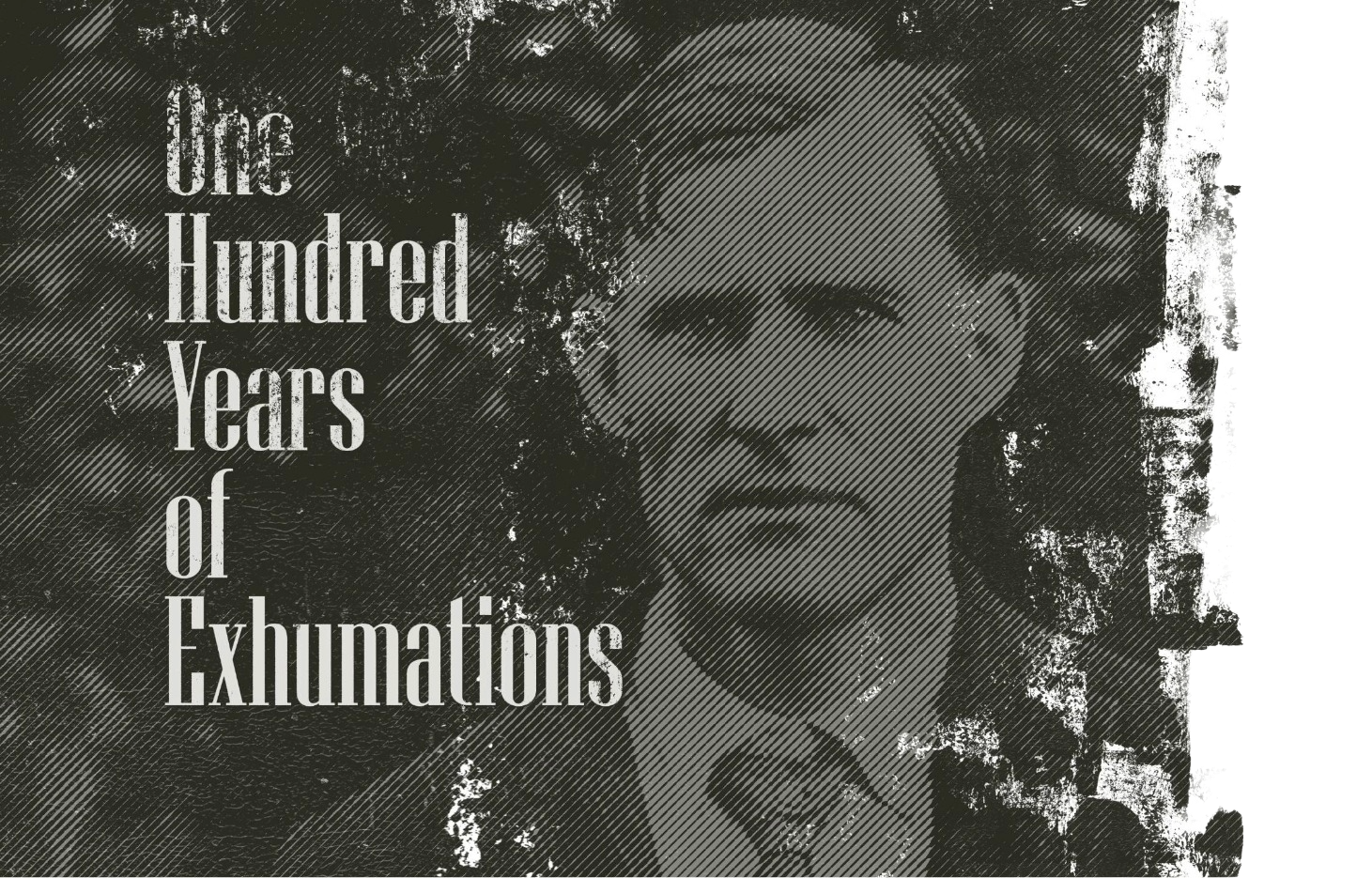
This story originally appeared in Issue No. 01 of Southlands. You can escape your screen and dive into a print version of the story by ordering a copy in our shop. And be sure to subscribe to receive the next two issues.
The First Exhumation
April 1925
The first time Floyd Collins was raised from the dead, he was lifted on a harness and wrapped like a mummy in white cloth so his body would not be subject to any weathering force—rain, sun, wind. Care was taken to raise him from the cave that had doubled as his makeshift tomb since February so he could be re-buried in a plot on his family’s farm.
The expression of agony, in which his face had been frozen by the cave, was erased; an expression of waxen acceptance, sculpted by the embalmer, took its place.
On Friday, January 30, Floyd Collins, a caver and local tour guide, had been exploring a dismal sink called Sand Cave on a neighbor’s property in Barren County, Kentucky, when his left leg was pinned by a rock sixty feet underground. A cave-in buried Floyd alive on Wednesday, February 4. By Thursday—or so speculated the Chicago Tribune—it had crushed him to death. On Tuesday, the New York Times declared him living. On Friday, the Courier Journal said there was little reason to hope. But by Saturday, his would-be-rescuers heard coughing in the tunnel. It went on like this for some time—one hundred years, more or less. Floyd was living. He was buried. He died. He came back.
Floyd’s entrapment and failed rescue was a mass media sensation. In the headlines, it preceded and rivaled both Earhart’s last distress signal and the Lindberghs’ empty bassinet.
This year marks the centennial of Floyd’s first exhumation from Sand Cave. He has been mourned, celebrated, buried, embalmed, and otherwise resurrected dozens if not hundreds of times since. In honor of the centennial, the tragedy of Floyd Collins is in the spotlight yet again. In New York, where I now live, he’s been on Broadway in the Floyd Collins musical, and in Western Kentucky, where I’m from, and where Floyd died, he’s been commemorated for the role he played in establishing Mammoth Cave National Park.
While the surface resembles much of southwestern Kentucky—a new growth forest of white oak, tulip poplars, and goldenrod—the park is named for a second landscape hidden below: the longest known cave system in the world. Officially, Mammoth was not fully established until 1941, but in many ways, Floyd’s burial marks its beginning; Congress authorized the park just a year after his death. Still, when park officials say that without Floyd, the park wouldn’t exist, I tend to think they don’t mean Floyd, the man; they are talking, rather, about the tourist attraction he would become in death. Indeed, Mammoth Cave National Park, as we know it, may owe its existence not to Floyd, but to the strange afterlife of his corpse.
The spectacle of Floyd’s entrapment invited the gaze of the nation to the caves of Western Kentucky—a place and a people already dominated by a volatile tourism industry—and when he died, those who profited off the spectacle were reluctant to let the caves lose their newfound prominence. As one letter to the editor put it shortly after Floyd’s death: “Floyd Collins gave his life, but he has brought Kentucky before the world. He will not have died in vain if you open the cave country, his country, to the people of the United States.” While Floyd’s death may have “opened” the Mammoth Cave region to “the people of the United States,” his tragedy, alone, wasn’t enough to sustain their interest.
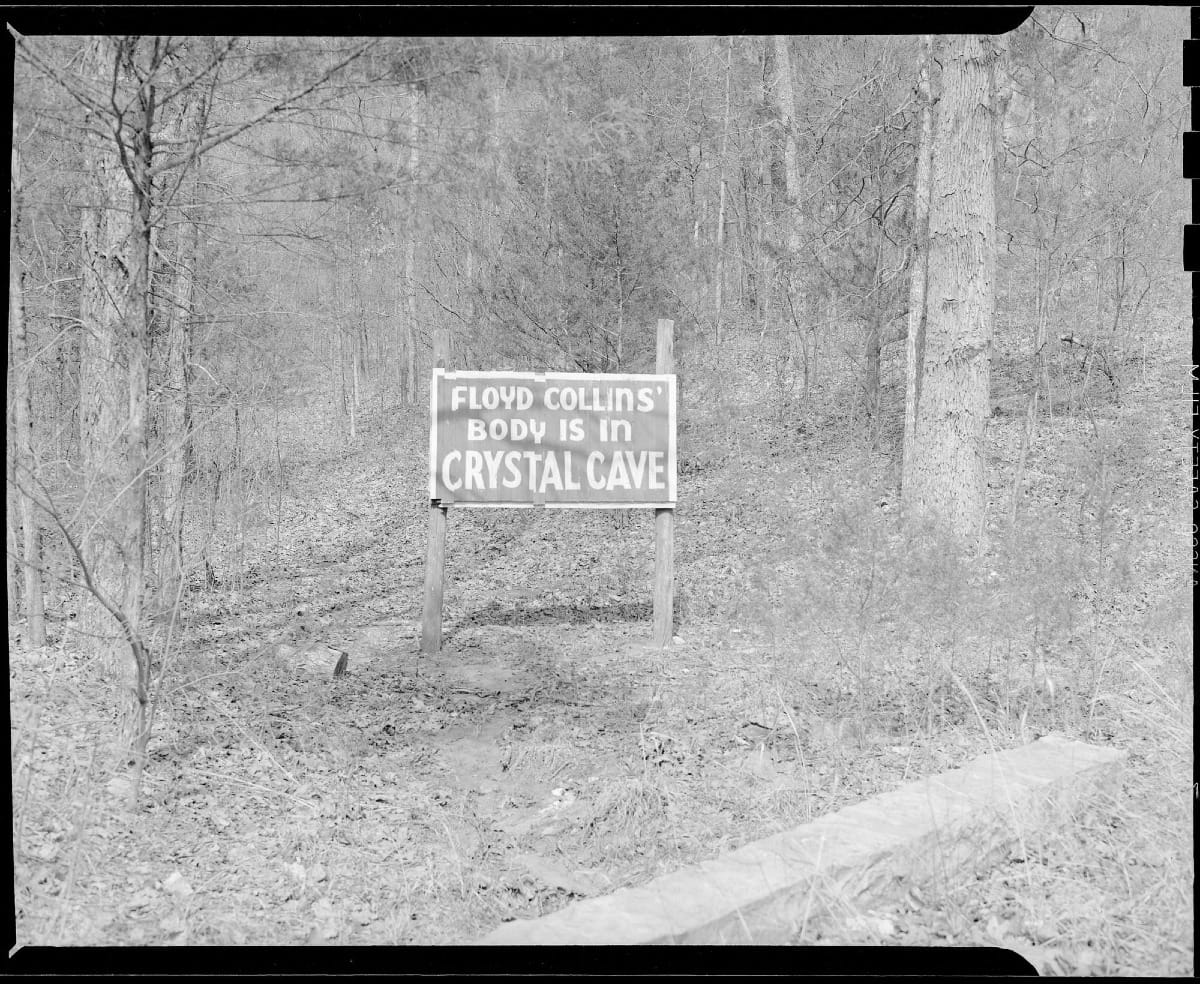
Floyd was first raised from the dead in April of 1925 by his brother, Homer, who wanted to confer Floyd, peacefully, to the earth. Homer saw to it that Floyd was embalmed, eulogized, laid in a coffin, and buried the traditional six feet under (and no deeper) on a hill overlooking the cave he had discovered years before: Floyd Collins’ Crystal Cave. A stalagmite, instead of a headstone, marked the spot.
And there Floyd lay at peace for two years—a little more.
Then a neighboring cave owner, with visions of grandeur, dug him back up.
The Second Exhumation
June 1927
This post is for subscribers only
Subscribe now and have access to all our stories, enjoy exclusive content and stay up to date with constant updates.
This is not a paywall
You can read this story for free, once you sign in.