

Our third issue, (RE)BIRTH, has hit Southlands HQ and will be shipping to subscribers soon! As always, we begin our digital calendar with the issue's introductory editor's letter. Not every story will become available to read for free, so if you'd like to access the full issue, you can buy a copy in our shop or subscribe.
Years ago, during a lecture at an environmental writing conference, one of the instructors made a comment about the wondrous nature of birth. I can no longer remember what she said precisely. Maybe she meant it in a technical sense: the astonishing fact that little snippets of the code that help make us who we are can be passed down to another person. Probably there was something about how birth interlinks us — to the generations that came before us and those that come after. To all the other beings who live and die, on their own separate path through evolution. What remains clear to me is one core idea: this writer declared that the act of giving birth, of becoming a parent, was one of the ways that we can be part of the wildness of this world. Wildness, in other words, does not just lie within wilderness, but in the whole messy process of life unspooling around us.
The endless cycle of things recurring: is that not one way of succinctly describing this thing we call “nature”? Rebirth spirals across several timescales: over millions of years, carbon is soaked into rock and then spewed into the sky again; over thousands of years, cultures and civilizations rise and fall, shaping the land and life around their homes. There are the annual cycles — rivers flushing snowmelt, seasons turning. There is the daily cycle, the sun rising and setting again and again.
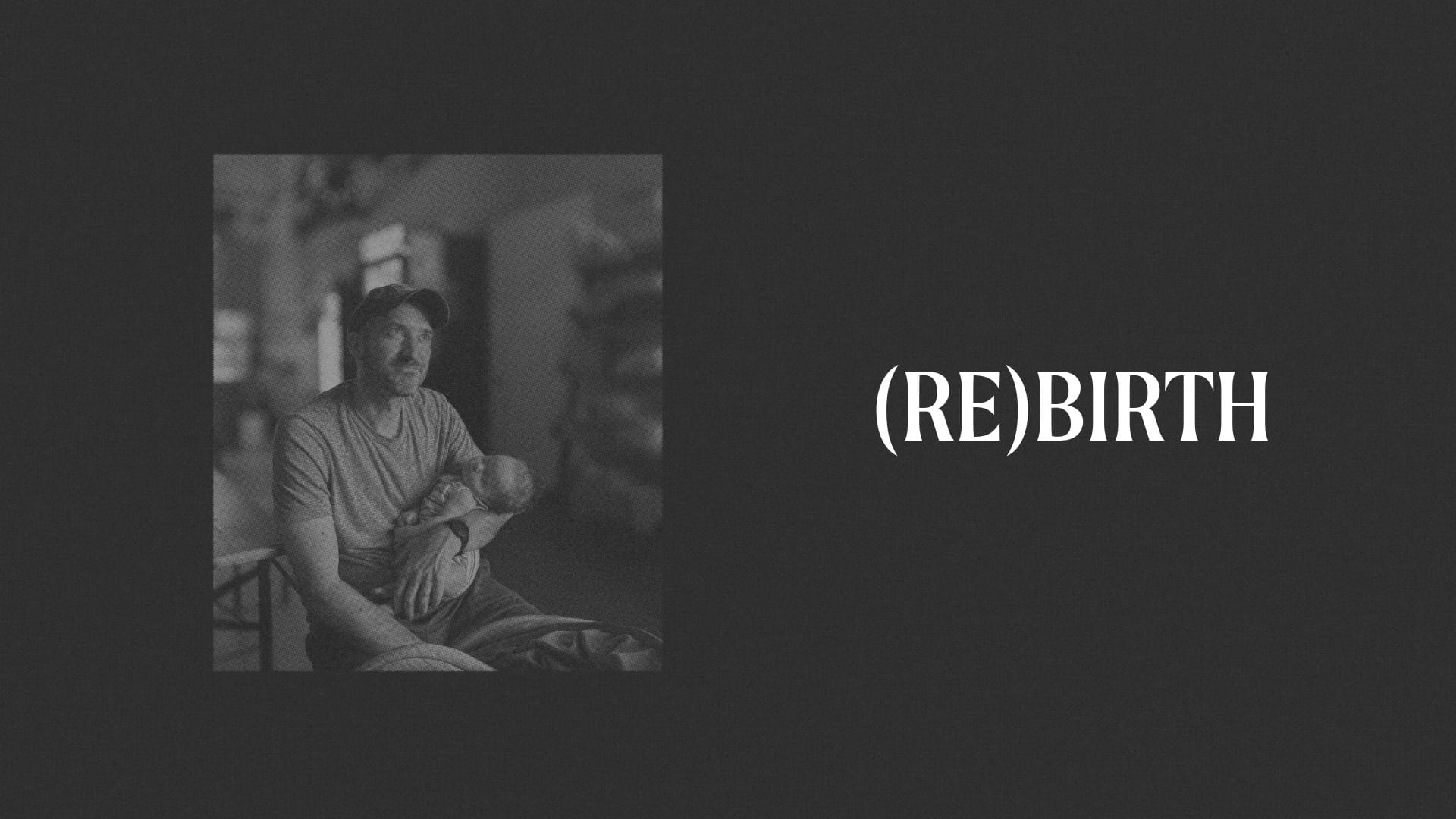
Perhaps it’s happenstance that not long after that conference, I met the woman who would become my wife, and, as of this spring, the mother of my first child. Wynn was born just as the Southlands team began to work on this issue. How could it have been about anything, then, but this recurrence? We have titled the issue (RE)BIRTH.
So this issue explores these cycling rhythms of our world. Some of our writers have interpreted the theme quite literally, reflecting on how birth and death help us fit into the landscape. We’ve got a look at how time outdoors shapes the birth of young consciousness and an exploration of whether and how a broken system of agriculture might be reborn. We look at iconic Southern species — from wild turkey to Florida mullet to Appalachian chestnuts — and how the traditions surrounding them, as they’re passed down from generation to generation, are shifting along with biological and cultural and climatic change.
I have friends who, only half-jokingly, explain their decision not to have children by noting that they don’t want to have to tell their kids what a bird was. I write this letter at the tail end of the hottest summer on record, which may well be cooler than most of the summers to come. It makes me worried for my son. How will he get outdoors?
Nonetheless, so far, his birth has felt like a rebirth of my own. My life before included repeated, extended reporting trips; now I’ll be focusing on stories that keep me closer to home. This doesn’t feel like a closing off so much as an opening: I’m watching the crepe myrtles flower along my street and realizing, hey, I never bothered to know exactly when this occurred. Now their bursts of color — white, purple, pink — will remind me always of this life-changing summer. I’m watching the first shorebirds returning south and feeling the shift in the wind, from the north now with autumn’s approach, though still sometimes blasting in with the hot, wet air from the Gulf. The world is changing, certainly, but that is also why it will always be wild.
Wynn’s birth has brought me home. My hope is that the stories in this issue will help the world around you come alive in new ways, too, and help lead us toward a new future.