

This story originally appeared in our second issue, PUBLIC/PRIVATE. Most of our print stories are behind a paywall, so if you'd like to access the full issue, you can buy a copy in our shop or subscribe.
When the work week is done, my commute home — seventeen miles, from Northern Virginia, through Washington, D.C., and into the Maryland suburbs — is always by bike, along the banks of the Potomac River. On the Virginia waterfront, the blue tidal sweep of the river laps at the riprap. When I cross into the city at Memorial Bridge, with the Kennedy Center gleaming ahead of me, the sidewalks are full of commuters and tourists alike. To my left, beyond the muddle of traffic, the Potomac lightens as rocks form whitecaps and whirls on the surface.
I pick up the pace as I head upstream, through Georgetown, down M Street, past the Barnes & Noble and the J. Crew, the Patagonia and the Starbucks. In another minute, I’m rolling up the packed gravel towpath of the nearly two-hundred-year-old Chesapeake & Ohio Canal, which runs parallel to the Potomac, alongside runners and dog-walkers, joggers and cyclists, boys carrying fishing poles and kayakers lugging their crafts. I swerve and brake around them, my eyes still on the river glimmering through a line of swamp oaks and silver maples.
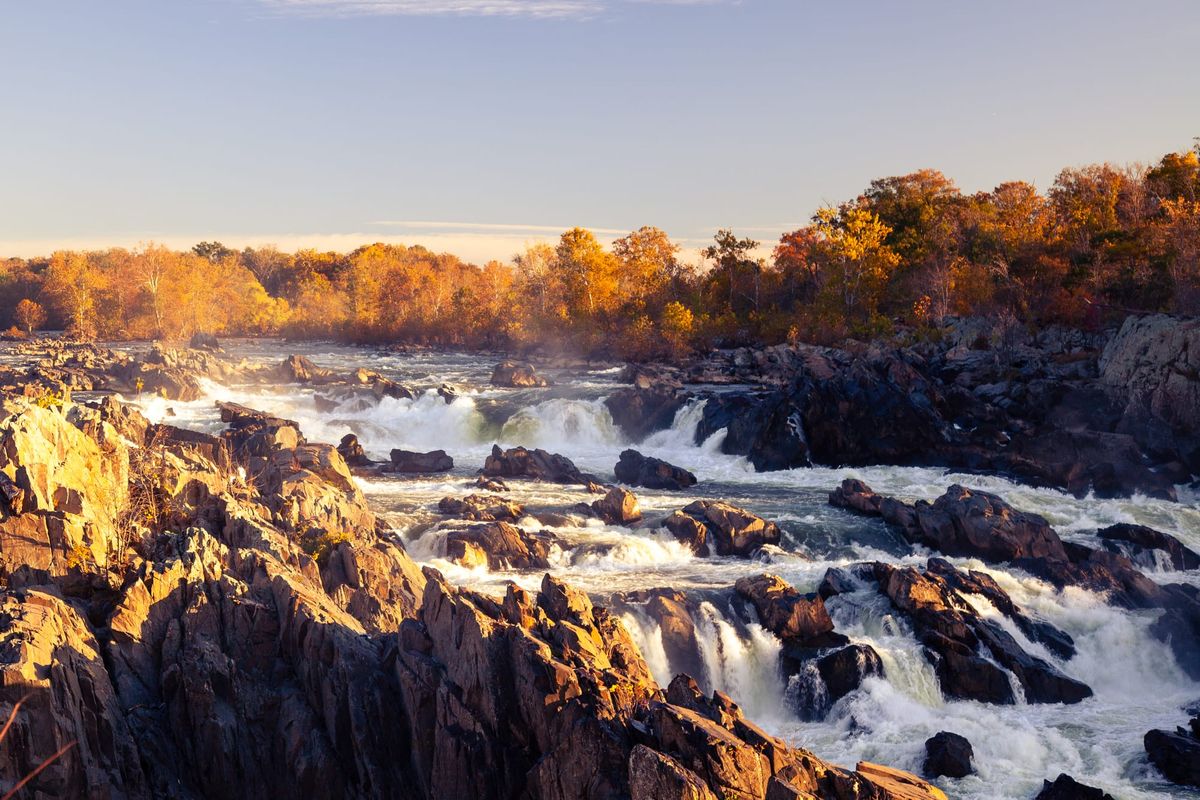
As I cross the District line into Maryland, the crowds fall away, and for another few miles, it is just me and my bike and the river, all moving together as we enter the heart of the Potomac River Gorge — a 9,700-acre urban wilderness where sycamores older than the nation stand in springtime over the prismatic sprawl of a million ephemeral wildflowers.
When most Americans think of Washington, D.C., they imagine slick-haired men in dark suits, power lunches over steak and cocktails, or perhaps a long-ago school trip to visit the Smithsonian museums. I can count on one hand the number of people I’ve met for whom D.C. means the electric fireball of rare pink valerian in bloom or the ground-clouds of white trout lilies that cover the floodplain in spring like one last late snow. Those who know the Potomac, though, know it as the "wildest urban river" in America, and the Gorge as one of the most biologically rich areas in the eastern United States.
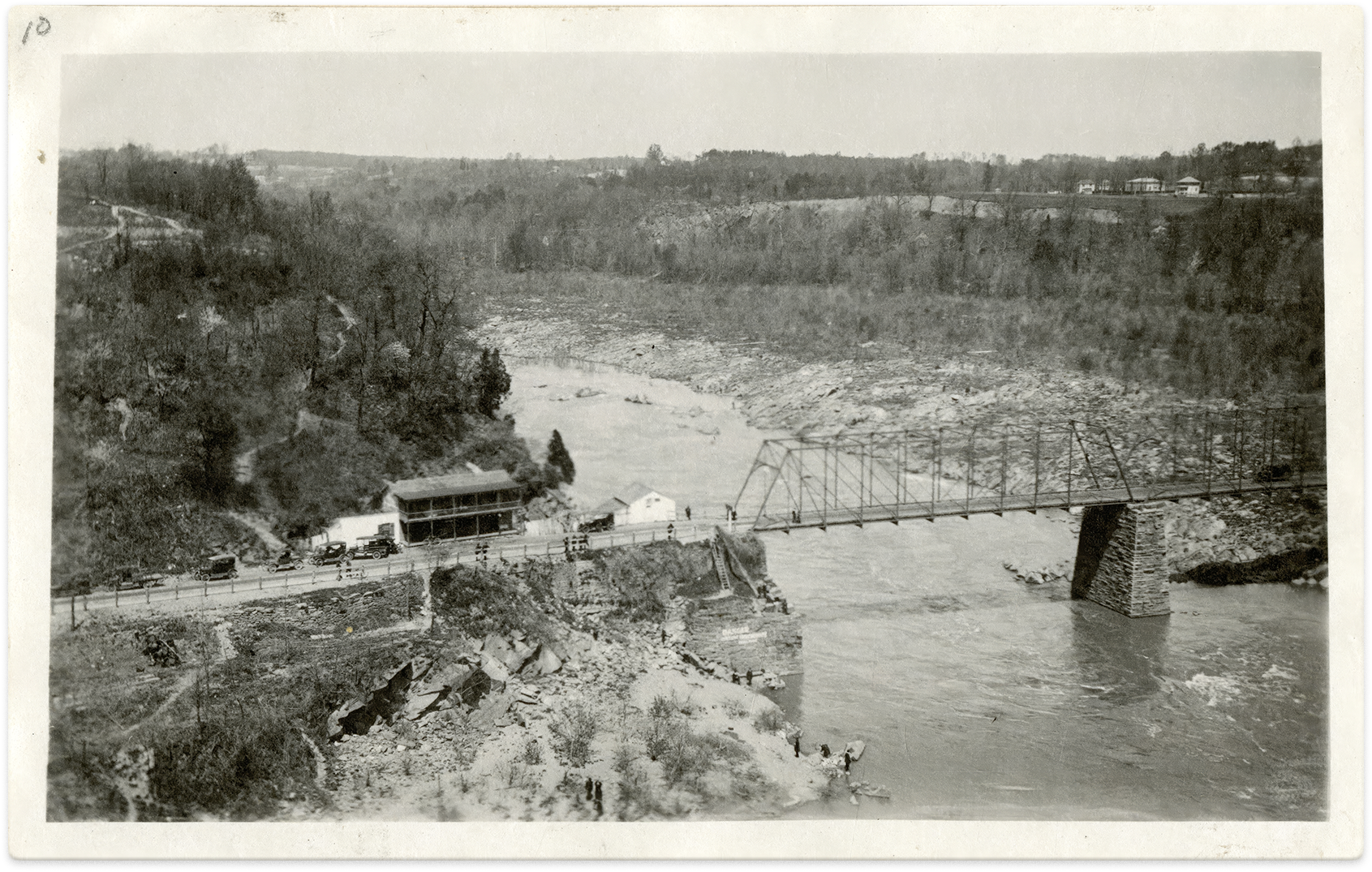
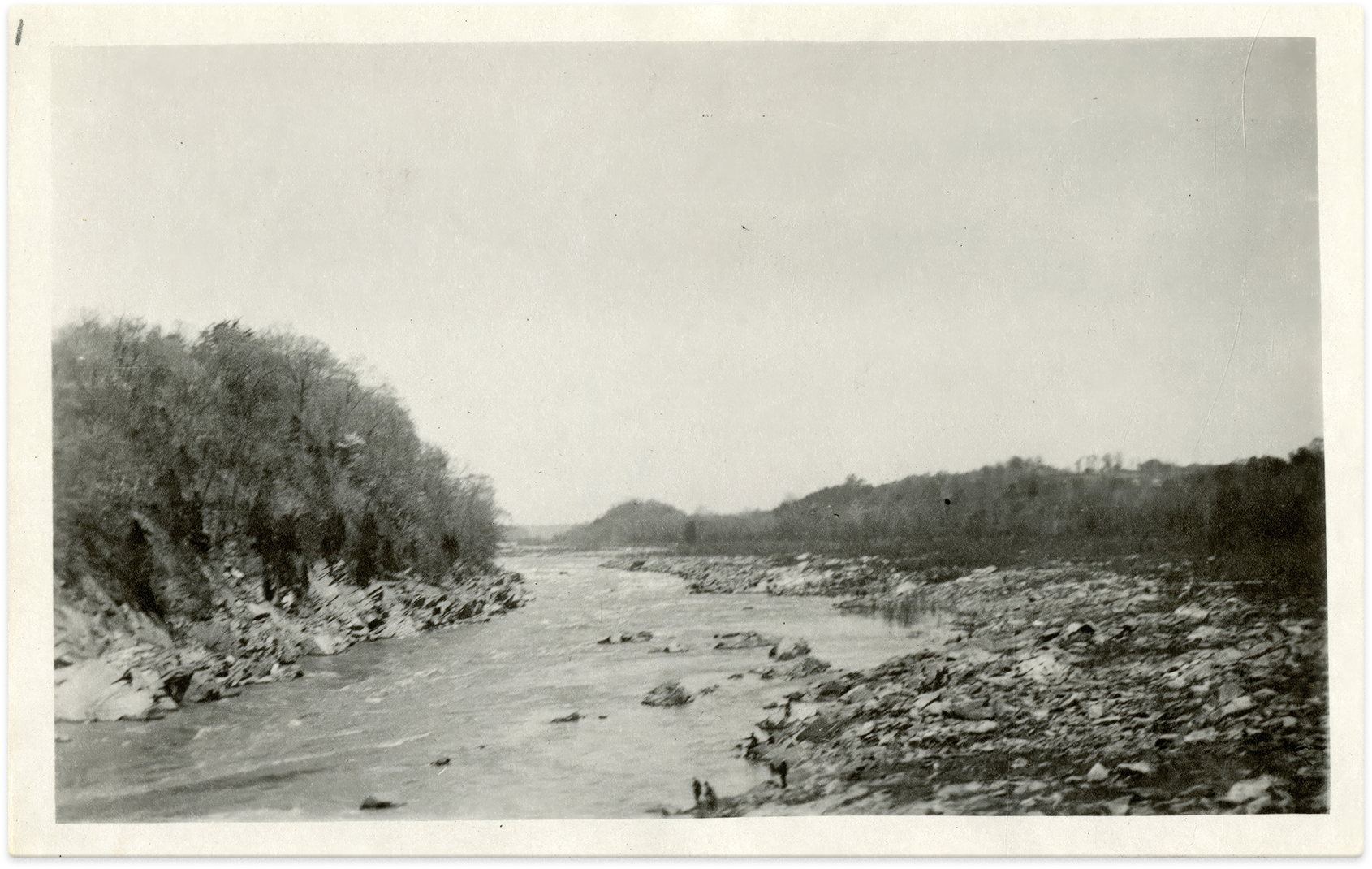
Photos from the Martin A. Gruber Photograph Collection.
This post is for subscribers only
Subscribe now and have access to all our stories, enjoy exclusive content and stay up to date with constant updates.
This is not a paywall
You can read this story for free, once you sign in.