

Our second issue, PUBLIC/PRIVATE is now shipping! Over the coming weeks, we'll be publishing new stories from the issue. Most will be behind a paywall, so if you'd like to access the full issue, you can buy a copy in our shop or subscribe.
Until the fall of my thirteenth year, I was a professor’s kid in Cleveland, Mississippi, leading a middle-class, small-town childhood: walking to college football games, practicing cannonballs in the pool, riding my bike out where the housing developments ended and the cotton fields began. Cleveland was a small college town that, even into the 1970s, managed to keep its schools segregated. I remember only one student of color at Margaret Green Junior High.
Many of the professors and their families (including mine) were from elsewhere, with no connection to this flat expanse of floodplain along the Mississippi River. It’s got big farms, white-owned, and big populations of Black people whose ancestors once worked those farms. But Cleveland's professorial population, combined with standard Southern segregation, yielded a place that could feel apart from the Delta, where my life matched what I might have experienced in any 'all-American' rural town. The Blackness of the place was invisible.
Then, as I started ninth grade that September, in the space of six weeks, I lost my mother due to complications from heart surgery and my father from a heart attack. I began a new life with my older brother, his wife, and their eight-month-old firstborn in the nearby town of Leland.
Cleveland and Leland are just 27 miles apart on Highway 61, but for a thirteen-year-old white kid in 1973, they were separate universes. Unlike the professors in Cleveland, my white neighbors in Leland often worked (or owned) the large farms that dominated the region. Their culture was focused more on the land than the mind. Another difference: in Leland, the white kids had fled the public schools for private academies. My brother — the long-haired artist, considered a hippie in the Delta — kept me in the public school, which was more than seventy percent Black. Adrift, searching for an identity, for the first time I had to think about what it meant to be white.
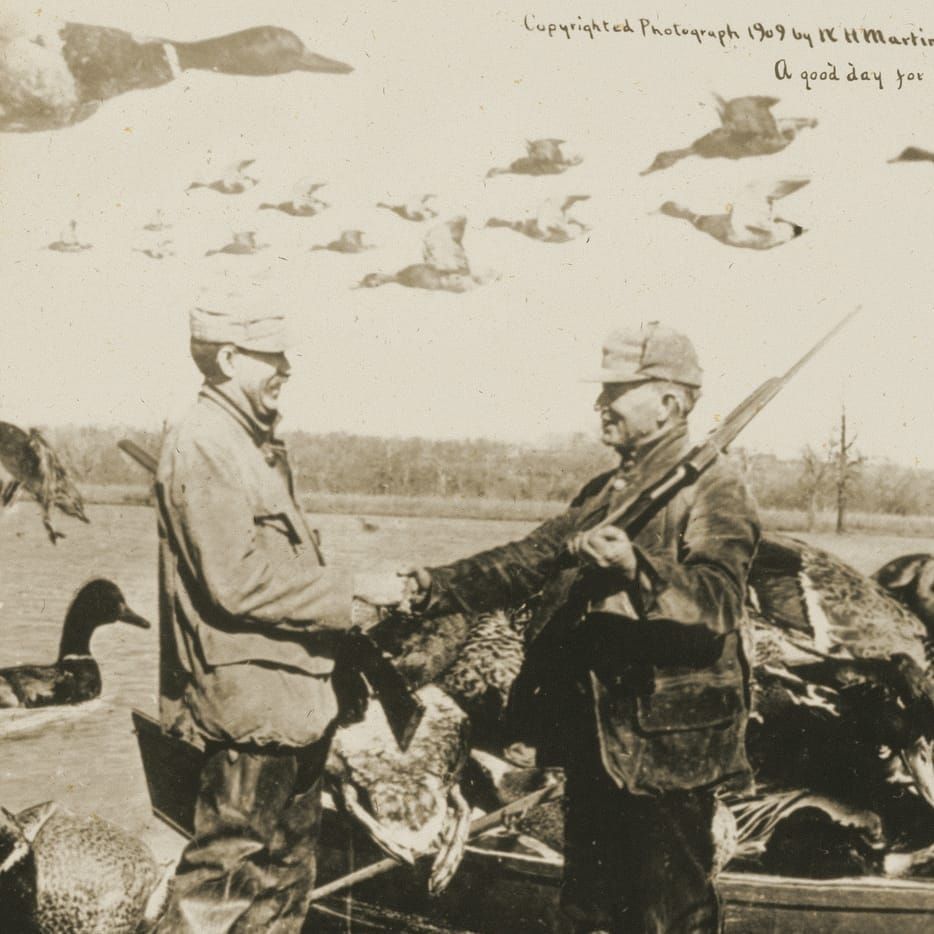
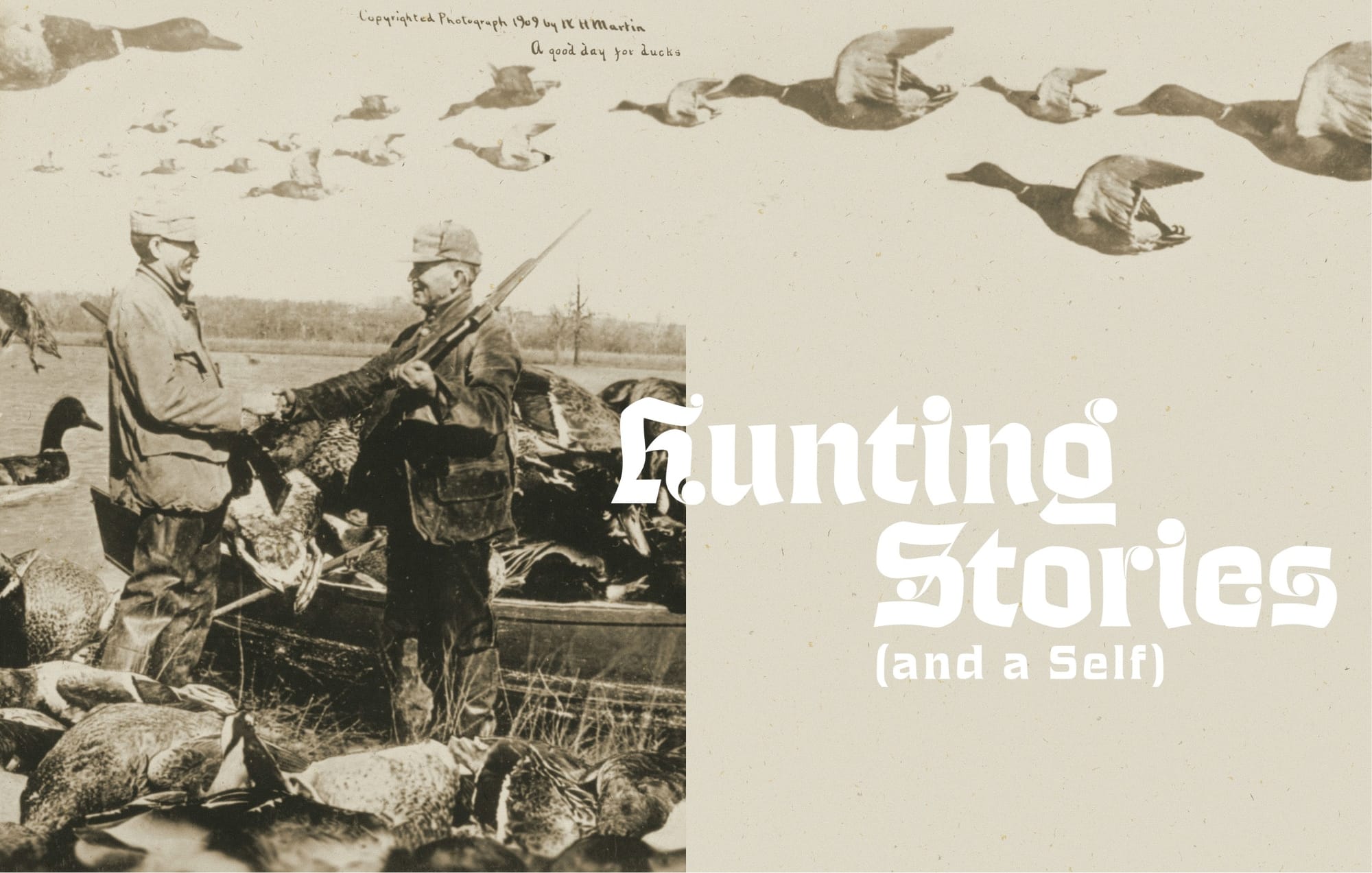
In Cleveland, my summer job might have been an internship on campus. Who I became in Leland is captured by the fact that, instead, one early summer day in 1978, I stepped onto a Mississippi River towboat, the Senator Eastland. I was nineteen and beginning my second summer as a deckhand out of Greenville, Mississippi. I had packed work jeans and chambray shirts, gloves, and boots. The only title that I remember of the books I brought on board was The Best of Nash Buckingham — an anthology of duck hunting stories by a recently departed legend.
This post is for subscribers only
Subscribe now and have access to all our stories, enjoy exclusive content and stay up to date with constant updates.
This is not a paywall
You can read this story for free, once you sign in.