
Now that summer has ended, we're introducing a new, occasional feature: Southlands Recommends, in which our staff and contributors share the (for lack of a better word) stuff that is making them think thoughts and feel feelings about this region of ours.
Before we get to that, though, I have a few crucial updates.
- Issue No. 03 is almost here! I've been quiet about this because I wanted to see how things played out, but we're working on final layout tweaks and hoping to get the files to the printer today. That still means as much as a month before it's shipping, but it's exciting that it's close.
- We still need help on Issue No. 04. I'm not sure if I've been as frank as I should be: right now we lack the funds necessary to make this issue. We will be making it — making good on our promise to deliver it to subscribers — but we do need help! You can donate here still, and we're working with our fiscal sponsors at Deep South Today to consider creative solutions. I'm happy to talk more about it if anyone has questions!
- One unique way you can support us: our fabulous assistant editor Holly Haworth hosts the EarthSpells Institute, a year-round habitat for ecological writers—a place to deepen your relationship with the more-than-human world, hone your craft, and nurture your creative life in community. Through workshops with visionary writers and thinkers, monthly gatherings, and creative practices rooted in attention and wonder, EarthSpells offers a different way of approaching the writing life. Holly is hosting a free, online gathering on Oct. 1, in preparation for the new EarthSpells season. You can sign up here; if you decide to join the program, some of your registration fee will go back to Southlands. So please check it out!
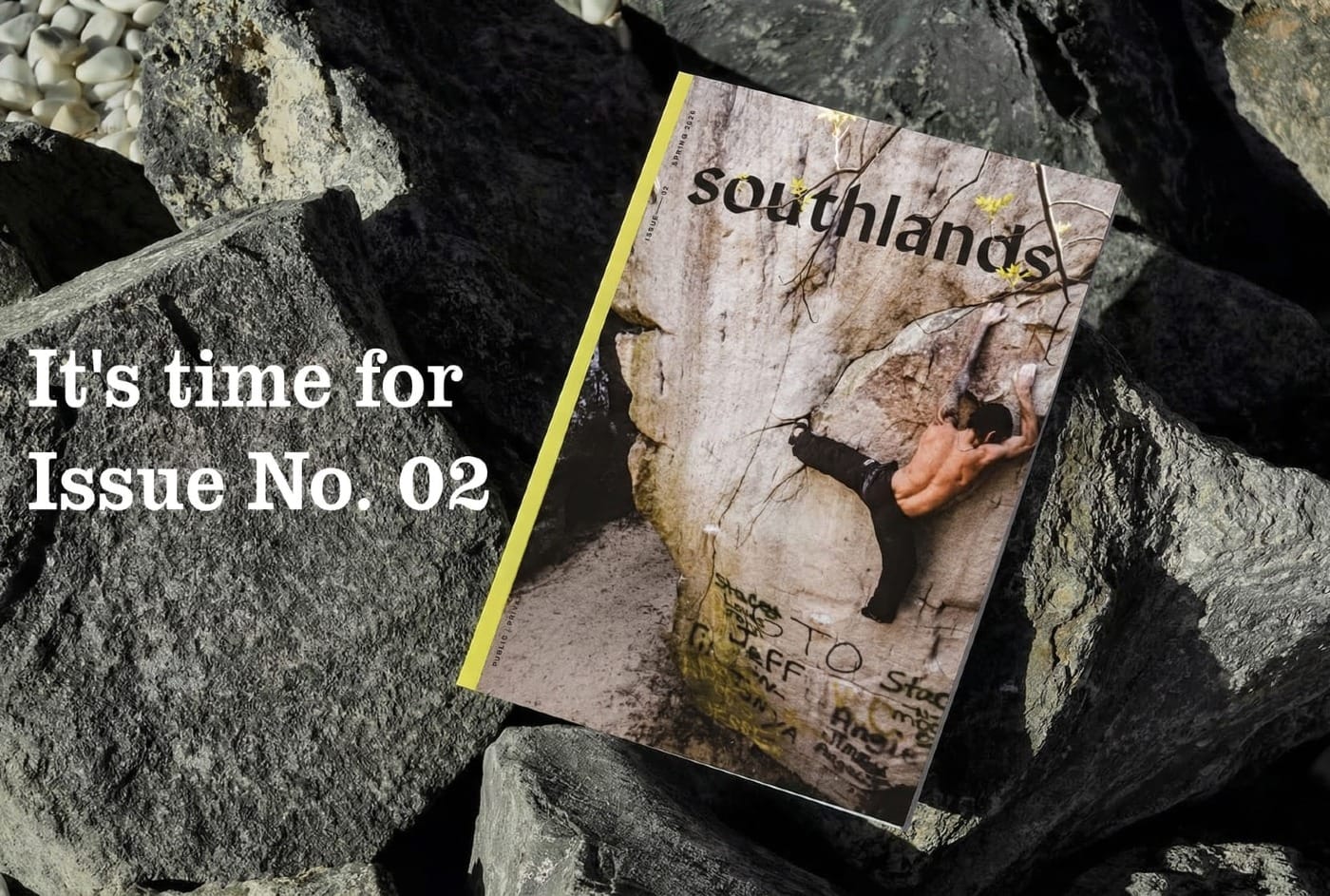
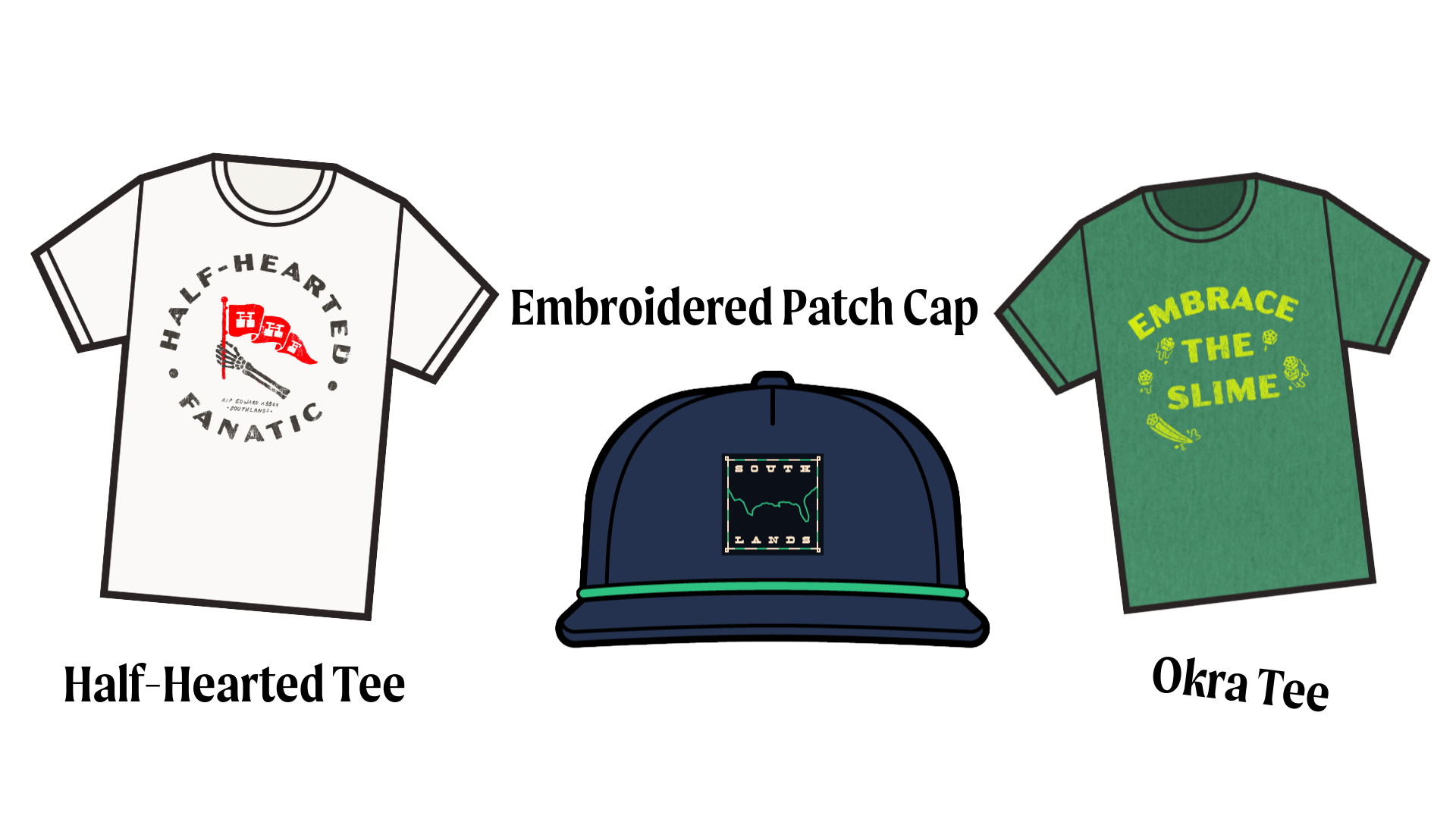
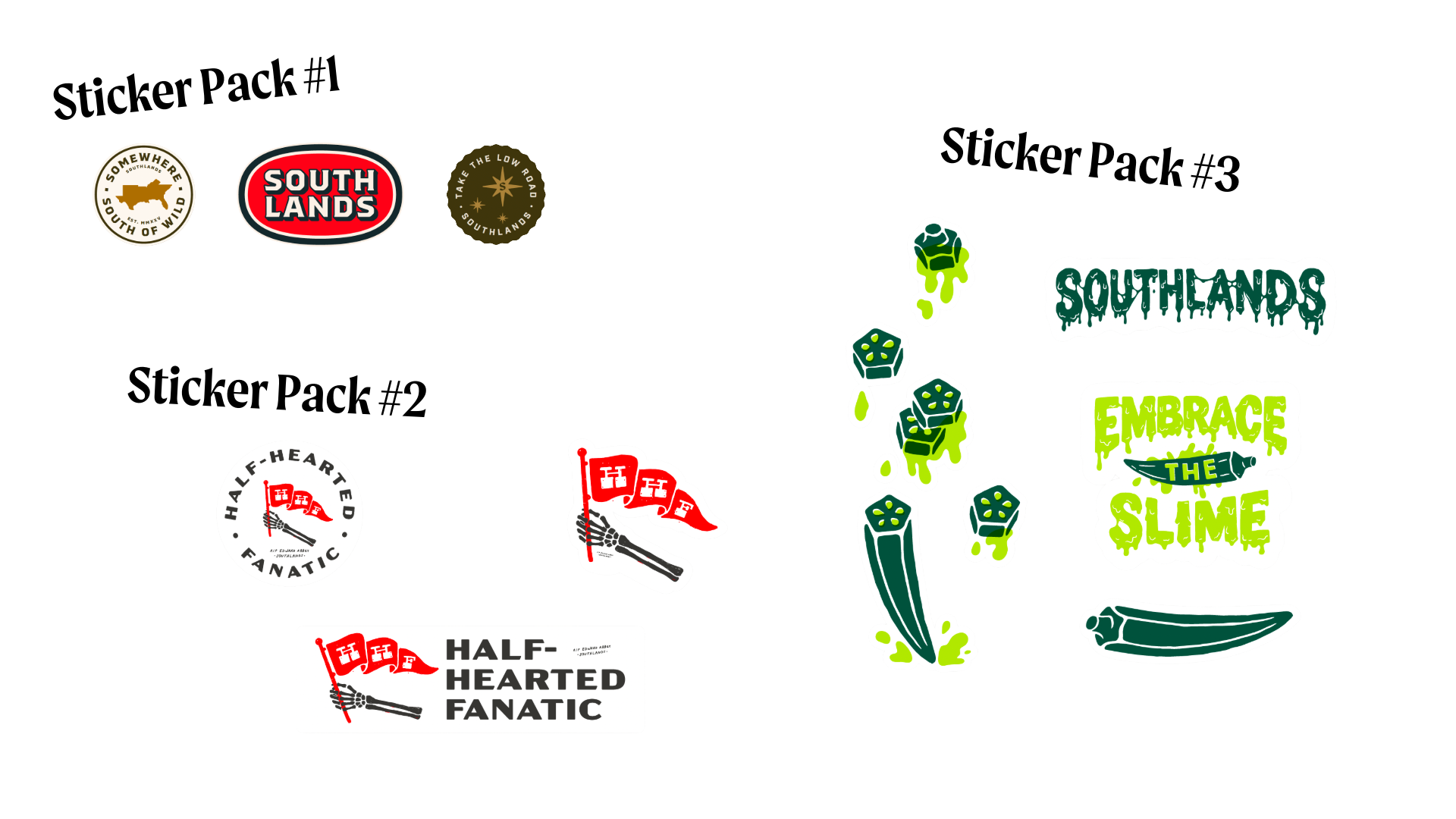
- Relatedly, belatedly, we're offering an Issue No. 02 merch drop. Our creative directors, Antonio and Madisyn, have worked up some great designs, and the proceeds will help fund the new issue! See a behind-the-scenes sneak peek below. This merch will be available by pre-order only, so watch for that link to drop!
- ...but that won't be next week: I'll be on vacation, so there will be no newsletter next Friday, though we will be publishing an essay from the magazine on Tuesday.
—Boyce
Southlands Recommends isn't a round-up of just upcoming books and films (though we hope to get that to you soon), but a more personal peek at the objects and texts threaded into our lives. Readers: what is shaping your life in the Southlands? Let us know by hitting reply.
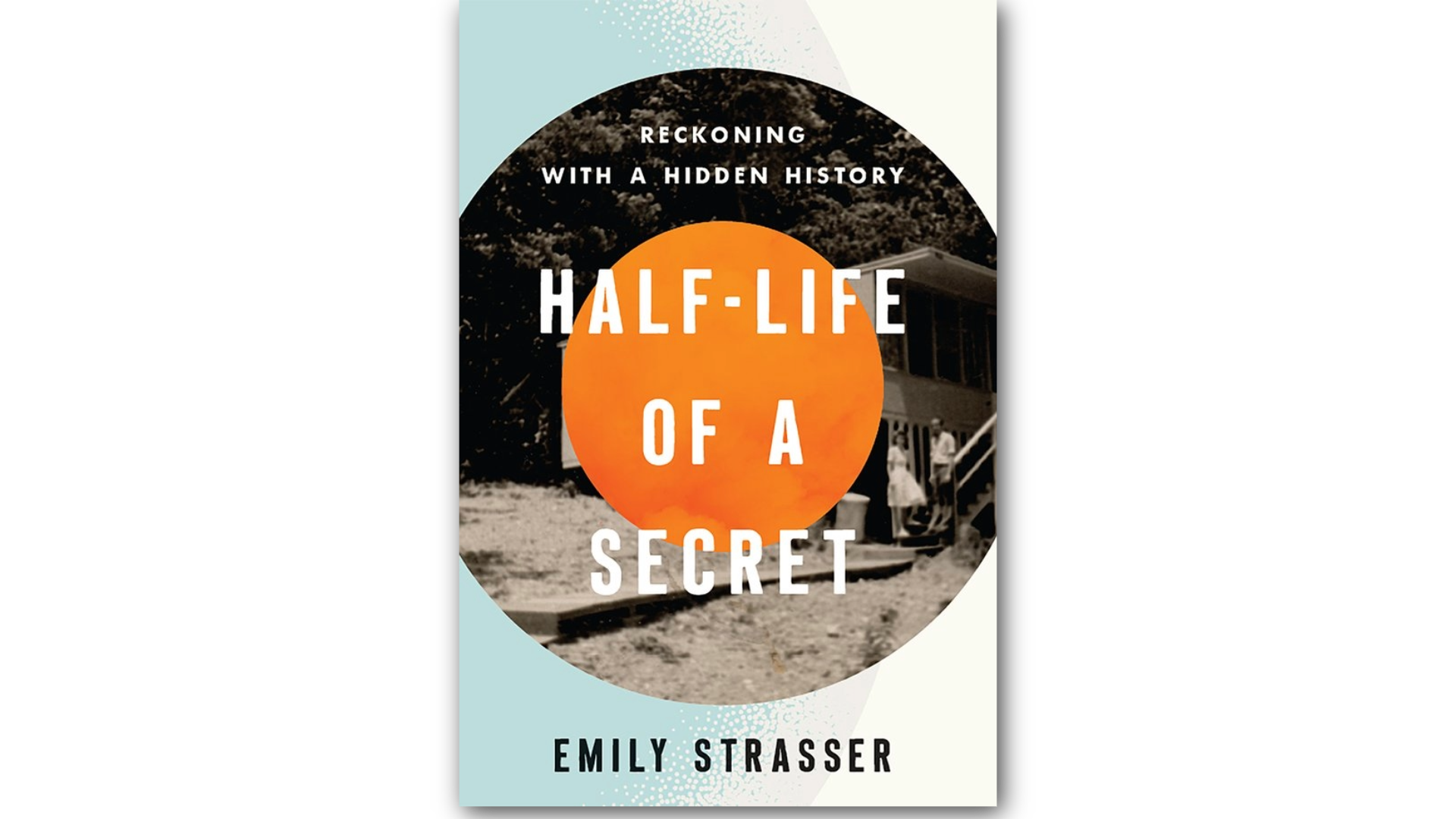
Half-Life of a Secret: Reckoning with a Hidden History by Emily Strasser
Nobody sang the beauty of East Tennessee like Dolly Parton, and almost nobody sang its poverty and pain as plainly, either — sometimes in the same breath. That's the thing I keep returning to since Dolly died: she never let one truth about home cancel out the other. Fifty miles from where Dolly grew up sits Oak Ridge, a Manhattan Project city with its own two stories: one of good government jobs and idyllic lake houses, another of forced evictions, exploitation of Black laborers, nonconsensual medical experimentation, and mercury spills that continue to poison the water today. Strasser's memoir goes looking for the second Tennessee buried under her own family's version of the first, asking, "How do we love what is tainted?" Strasser’s answer echoes Dolly: you sing the whole song, not just the sweet verses, or you're not really singing it.
—Cecilia Bilbe, editorial fellow
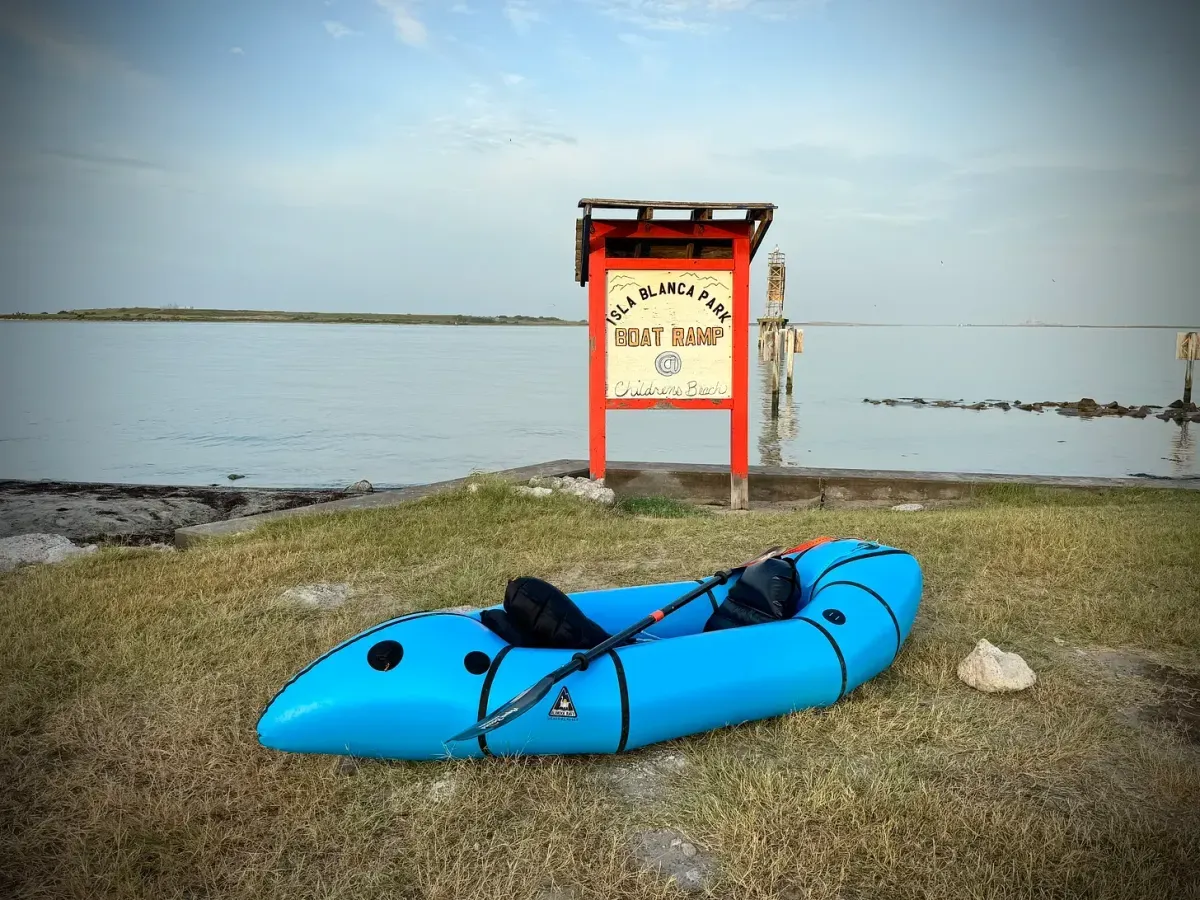
Alpacka packraft
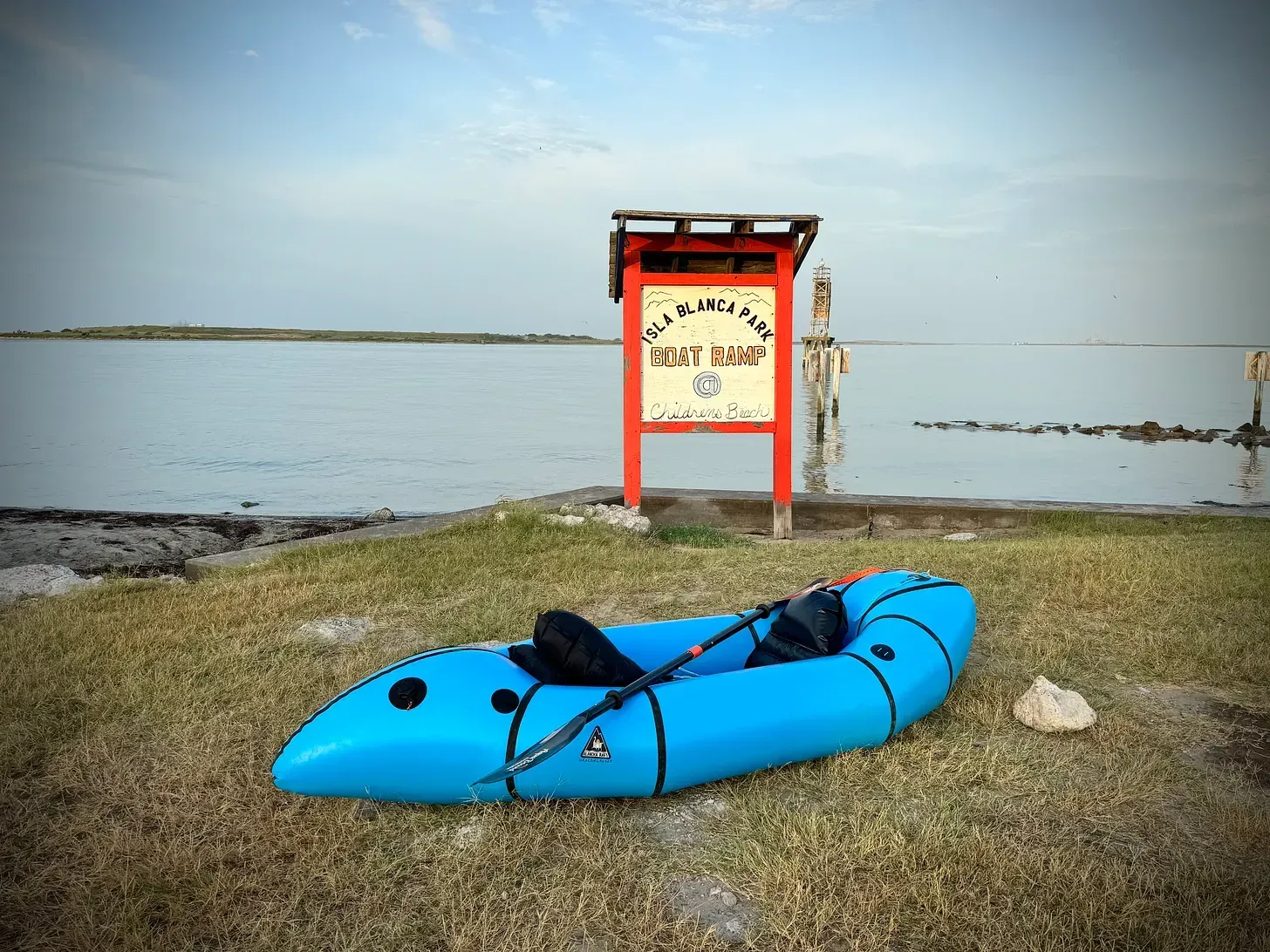
I’ve been having a lot of fun trying out an Alpacka packraft — an inflatable kayak designed for backcountry conditions in Alaska — as I do field research for my new book. I've taken it out this summer in the Houston Ship Channel/San Jacinto Bay and the flats around SpaceX's site at Boca Chica (as well as the salt marshes next to the Meta/Facebook HQ in South San Francisco Bay and the intensely polluted Raccoon River where I grew up in Iowa, where it flows past the Microsoft data centers where they trained ChatGPT).
—Christopher Brown, Issue No. 01 contributor
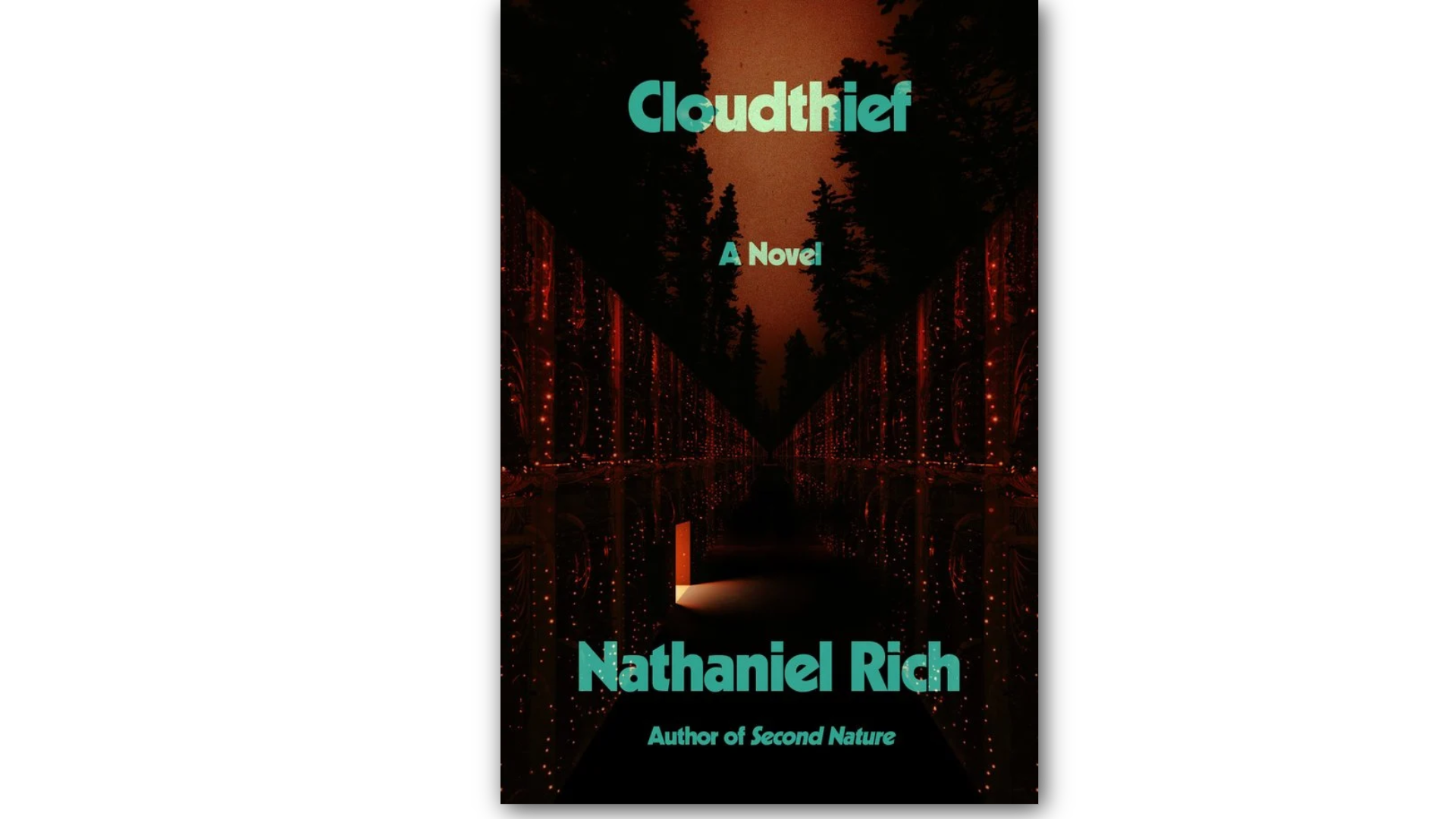
Cloudthief by Nathaniel Rich
We get more pitches about AI data centers than any other topic. What I've found, though, is that — in those pitches, and in most of the current journalism — beyond their threats to water and power grids, these data centers tend to remain mostly abstractions. This romp of a novel, part road trip, part heist, begins the corrective, eventually landing inside a data center in Oklahoma, on the edge of the Southlands.
—Boyce Upholt, founding editor
A typewriter
When I was in college the better part of cough two decades ago cough, I lucked into acquiring a vintage Smith-Corona Coronamatic 2200 Electric Typewriter. It was, and remains, a beast of a machine: twenty-odd pounds of tan-and-orange-plastic-sheathed metal, roughly the size of three pizza boxes stacked vertically. Its purr is on par with a vacuum of the same era. And yet, I say “lucked” because there is nothing like writing on that machine and its ilk. (In recent years, I’ve taken another step down the technological ladder with my beloved Olivetti Underwood 21 manual.) There is a physical, almost visceral quality with which typewriters imbue the writing process — something much closer to “wordsmithing” than chasing a flashing cursor down a page. And even though I do appreciate the irony that I am, in fact, writing this in a digital TextEdit "document," the Olivetti sits just a few feet away on the table, silently asking whether it’s now time to do something real.
—Jordan P. Hickey, Issue No. 02 contributor
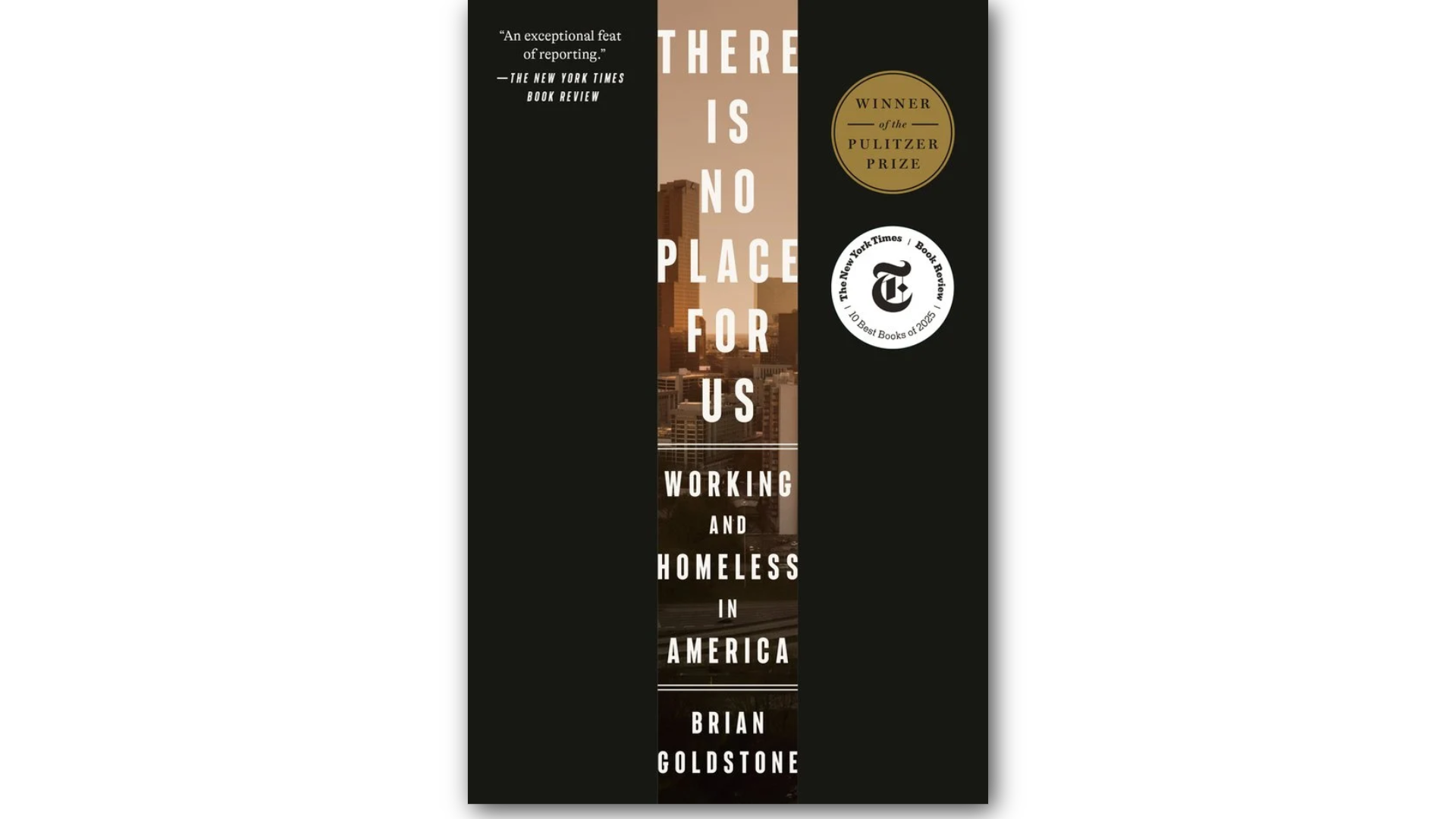
There Is No Place for Us: Working and Homeless in America by Brian Goldstone
On a recent drive across Georgia, Google routed me away from an interstate crash and into the sprawl around Atlanta. Garden apartments! Parks! Trailer parks! Amid the variety, I recalled Goldstone's Pulitzer-winning feat of reportage, which is set in the city and explores how even those with jobs can't always afford a place to live. Nature appears only in the margins — the BeltLine Trail is pinpointed as a cause of gentrification — but as we explore our PUBLIC/PRIVATE issue, I can't help but think about how some people's complete lack of personal, private space shapes their sense of the more-than-human world.
—BU
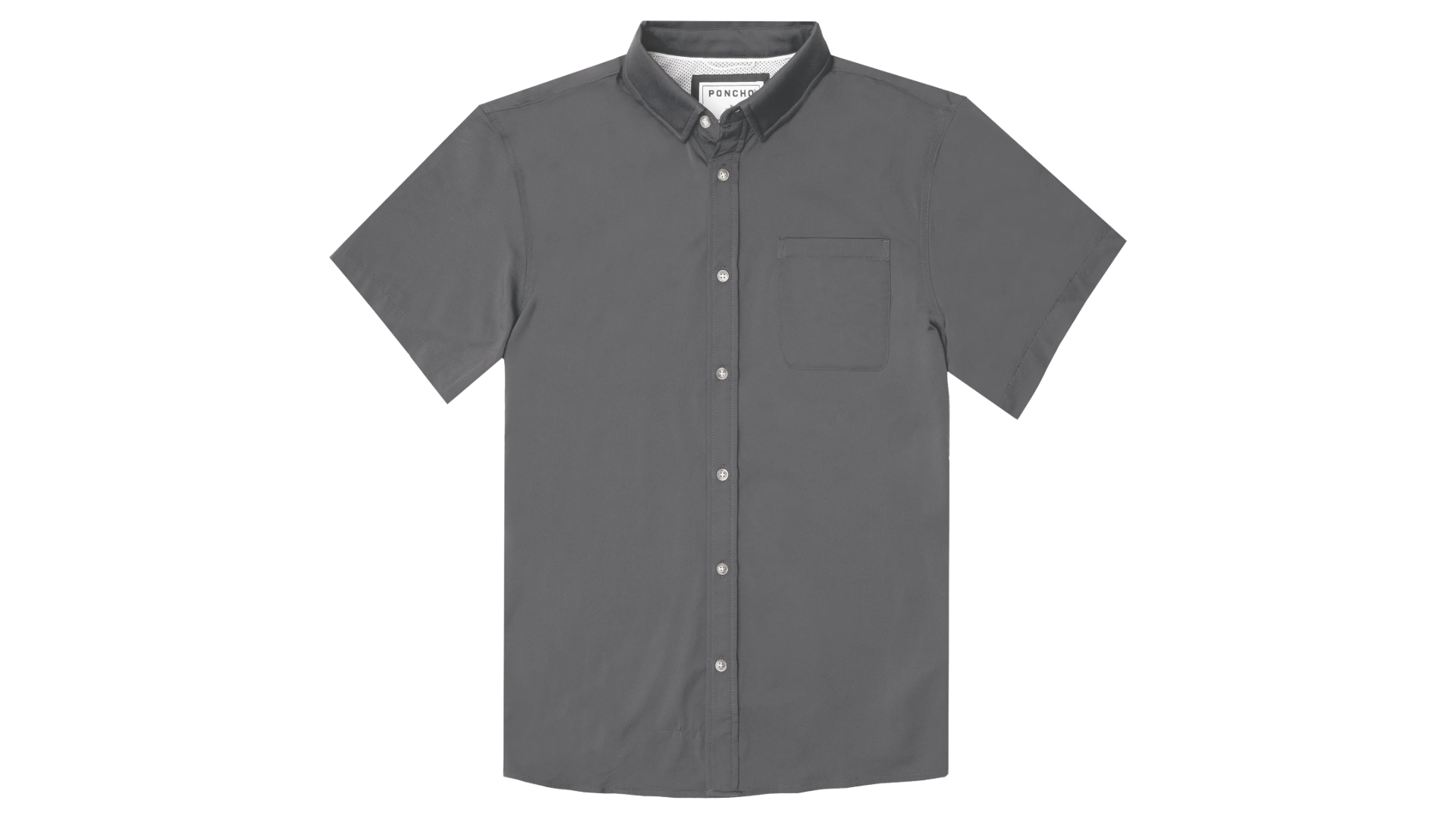
The Grease Monkey shirt from Poncho
We're still exploring how to cover Southern outdoor brands at the magazine, so when the Austin-based clothing brand Poncho reached out asking if I wanted a shirt to review, I figured, why not. Credit their confidence: this button-down, ranch-inflected shirt, made from lightweight technical fabric, quickly became my go-to for this far-too-hot summer. Just don't make the mistake I did and put it through the dryer.
—BU