
Our second issue, PUBLIC/PRIVATE is now shipping! Over the coming weeks, we'll be publishing new stories from the issue on Thursdays. Not every story will become available to read for free, so if you'd like to access the full issue, you can buy a copy in our shop or subscribe.
The enthusiasm of Reverend Antwon “Cheez” Nixon’s congregants didn’t wane once during his hour-long sermon on the Sunday of his ninth pastoral anniversary. People continued trickling into Mt. Carmel Missionary Baptist Church until there were about sixty of us in the sanctuary.
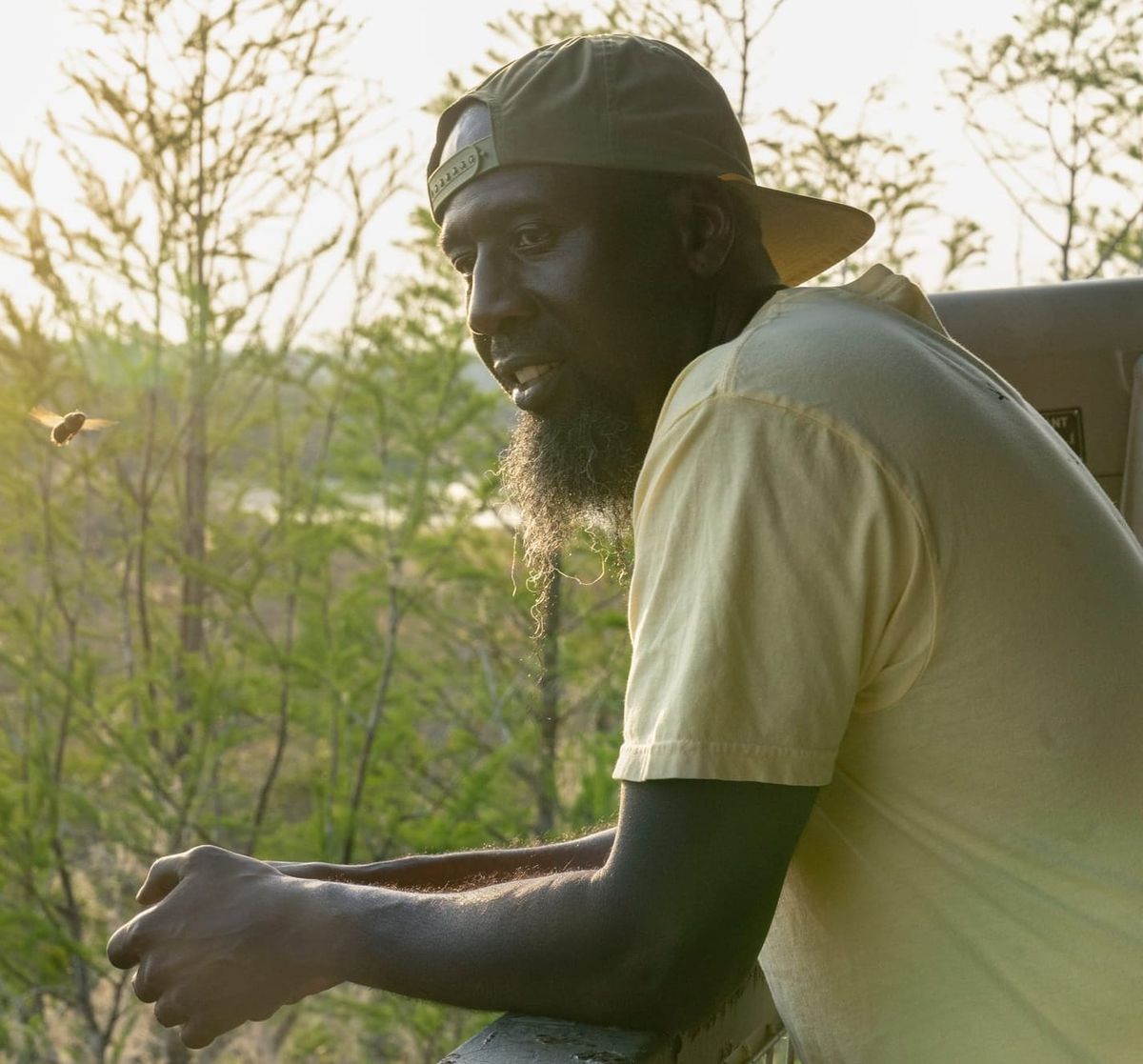
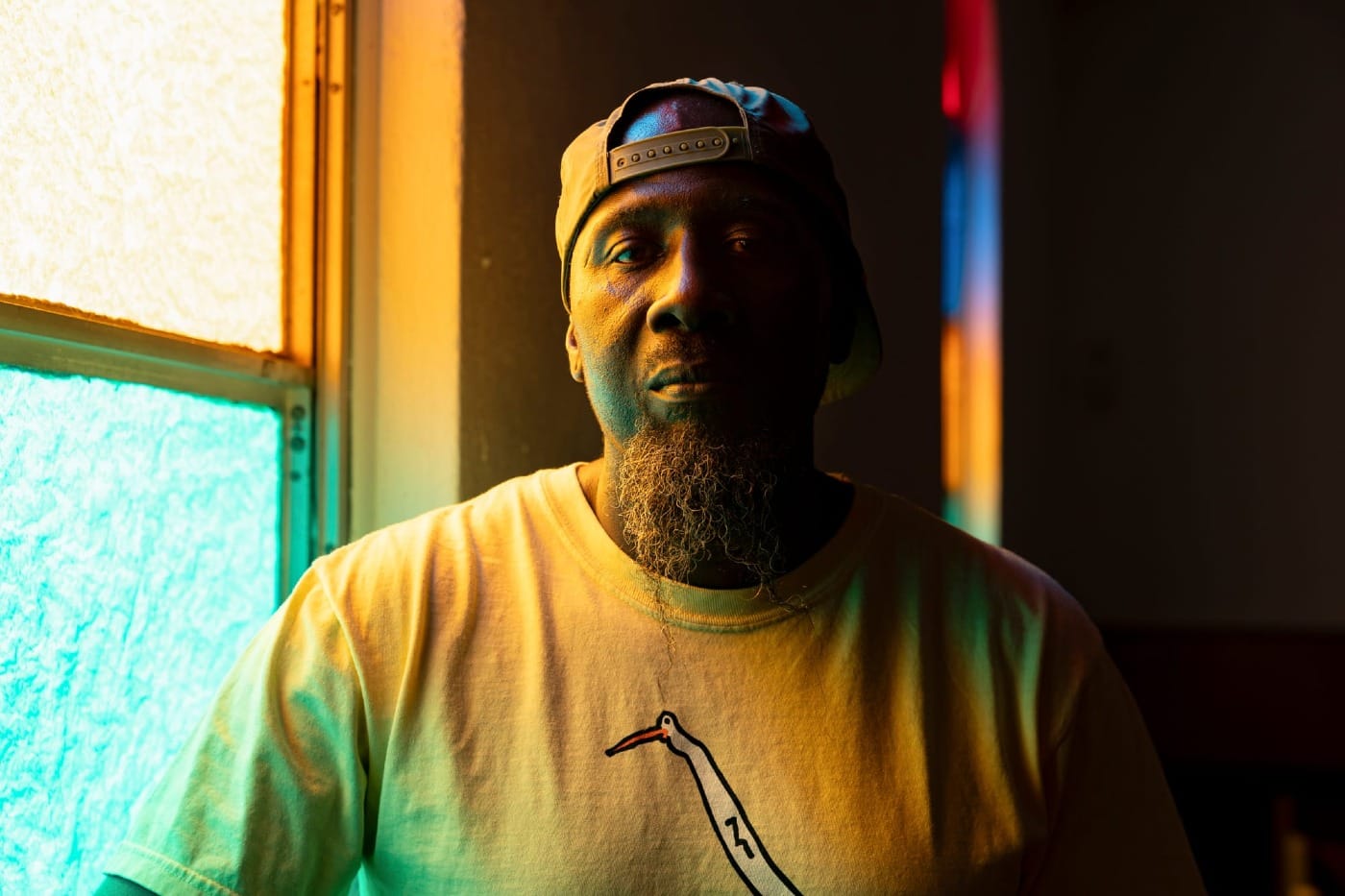
Nixon, a 49-year-old pastor, electrician, husband, and father, expressed disbelief every time someone unexpected walked through the doors. He spoke the Word from a simple black stand with a laptop perched on top, and looked comfortable in an orange sweater and green pants. He wore stylish, thick-rimmed black glasses, and his skin looked youthful despite his salt-and-pepper beard.
He rooted his message in five principles, five P’s: philosophy, purpose, psychology, procedures, and prosperity. David triumphed over Goliath only because he abided by the five P’s, he said. He was prepared because he followed the correct procedures.
“David was ready for Goliath. Why? Because God created David for Goliath. Every Goliath in your life, God got a David for. The moment ain't supposed to crush you. It’s supposed to make you, but that's based upon your procedures,” Nixon exclaimed. The congregation clapped and shouted its affirmation.
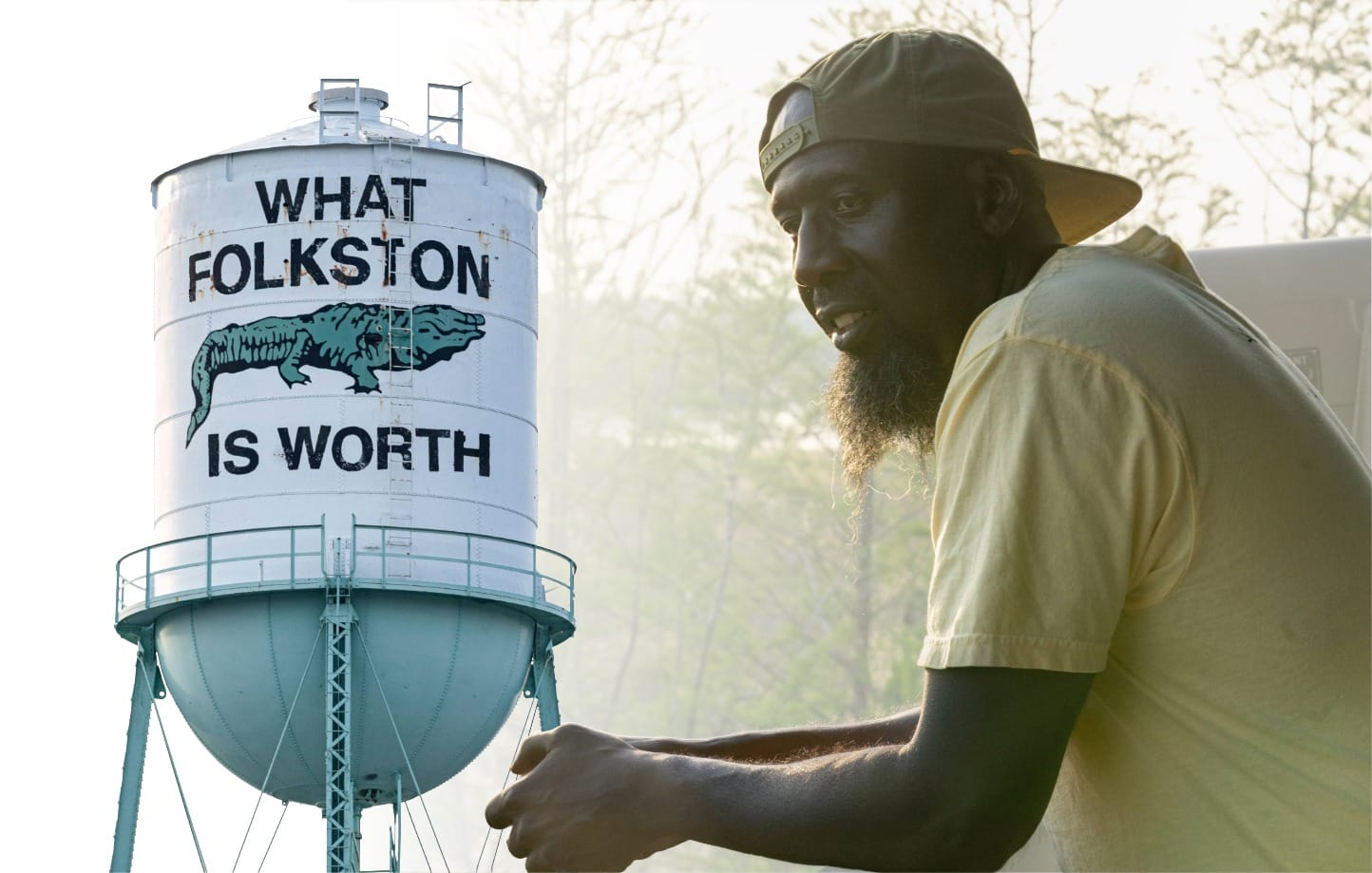
Nixon had mentioned David and Goliath when I’d called him a few weeks earlier, too, to talk about the questions looming over Folkston, Georgia, where he was born and raised. It’s a town—with a population of 4,631—where, he said, everyone knows everybody. It’s most famous today for being the “gateway” town to the Okefenokee Swamp—one of the largest intact freshwater ecosystems in the world and the largest blackwater swamp in North America. The Okefenokee National Wildlife Refuge’s offices sit seven miles southwest of town. Economically, though, the town has struggled for decades, and new questions have emerged about what, when you live in the shadow of so much public land, is the best path forward.
"The Okefenokee Swamp reminded me of how God set aside Eden and placed Adam there, and told him to maintain it and till it.”
After a chance meeting with Bill Sapp, former senior attorney at the Southern Environmental Law Center, at Folkston’s first-ever downtown Juneteenth celebration, in 2021, Nixon learned about an Alabama-based company called Twin Pines Minerals. The company wanted to mine a sandy ridge near the Okefenokee for titanium oxide and zirconium, and scientists believed the project could permanently harm the 6,500-year-old swamp.
Nixon had always loved visiting the swamp on school field trips. “I was always infatuated with this one alligator, the biggest one out there. His name was Oscar. I always looked forward to seeing that alligator,” Nixon reminisced about a legendary thirteen-foot gator who died in 2007. Childhood passion reignited, Nixon jumped headfirst into the campaign to halt Twin Pines’ proposal—advocating at the state capitol and on swamp boat tours, taking interviews, educating community members, and jumping on calls with environmental lawyers.
“After about a year, God just gave me this defined role,” he told me. “I felt like there was an element no one was talking about that needed to be spoken of, which was the spiritual side of the Okefenokee and what it represented because it's part of God's creation. The Okefenokee Swamp reminded me of how God set aside Eden and placed Adam there, and told him to maintain it and till it.”
Nixon said he saw himself as a liaison to Folkston’s Black community, who, at 49 percent of the town’s population, outnumber white residents and had not received much outreach. He informed his church members of the issue, but didn’t use his bully pulpit to persuade them. He wanted them to decide for themselves if they supported his position.
As I drove into Folkston on the day before the sermon, an eighty-degree Saturday morning this February, I belted out songs from my “Feel Good” playlist. I rolled down the window of my rented red Jeep to let the sun beat down on my face.
Aware of how much sleepy south Georgia towns love speed traps, I drove slowly into the city limits. A church every few miles. Abandoned motels. Spread out trailers, quaint houses, and bigger houses partially hidden by trees. So many trees. (I shuffled to cue “Wide Open Spaces” by the Chicks.) A sign pointing to D. Ray James Prison caught my eye as I crept closer to downtown. I’d never seen the name in the wild before, only when I helped my mother update her resume. She worked at the prison as a registered nurse during my high school and early college years. I grew up an hour northeast of Folkston, in Brunswick, Georgia, where Mommy didn't have many work options. Economic conditions in the region are rough. Nearly a third of Folkston’s population lives in poverty.
This post is for subscribers only
Subscribe now and have access to all our stories, enjoy exclusive content and stay up to date with constant updates.
This is not a paywall
You can read this story for free, once you sign in.