

Our second issue, PUBLIC/PRIVATE is now shipping! Over the coming weeks, we'll be publishing new stories from the issue on Wednesdays or Thursdays. Not every story will become available to read for free, so if you'd like to access the full issue, you can buy a copy in our shop or subscribe.
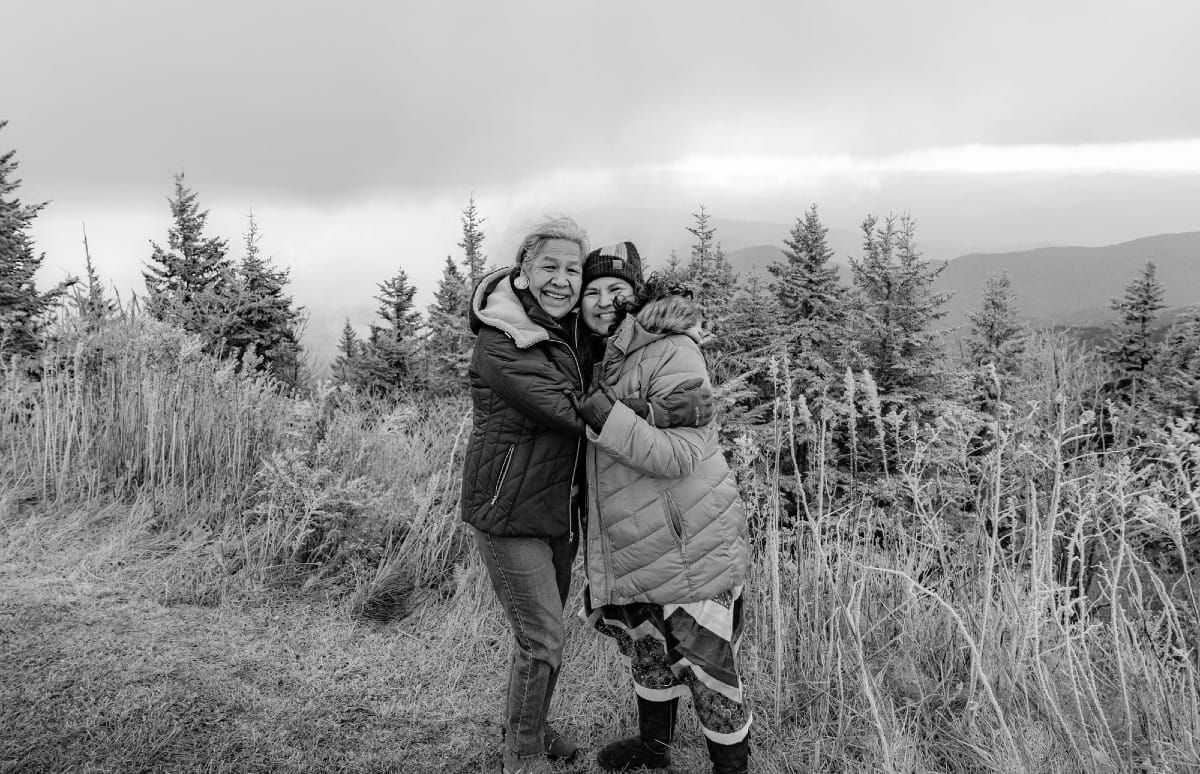
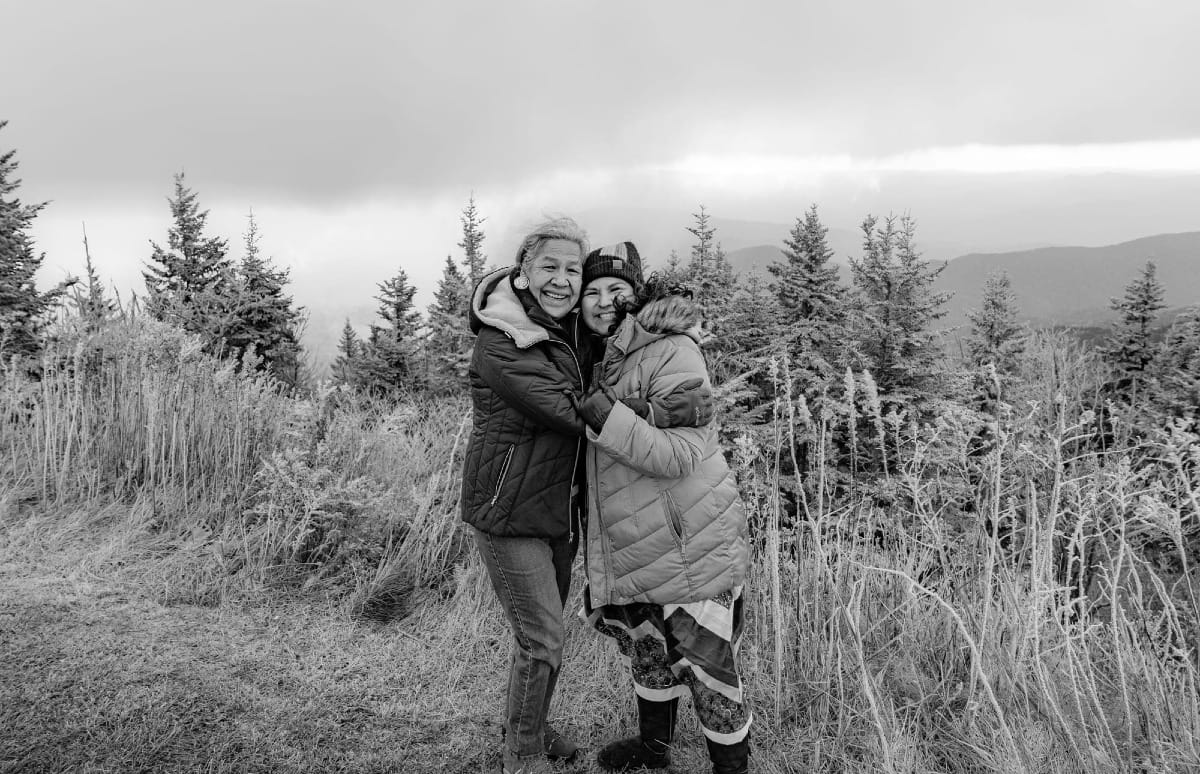
On a chilly Tuesday morning last April, two Eastern Band Cherokee women stood atop the tallest peak in Great Smoky Mountains National Park. Little more than acquaintances just a few years prior, the two friends surveyed a burgeoning spring landscape where invisible lines delineated the states of North Carolina and Tennessee. Tufts of snow-white clouds lingered across muted steel-blue mountains: a soft bed from which the sun rose to her daily watch post. In every direction, all the women saw before them was, and still is, Cherokee Country.
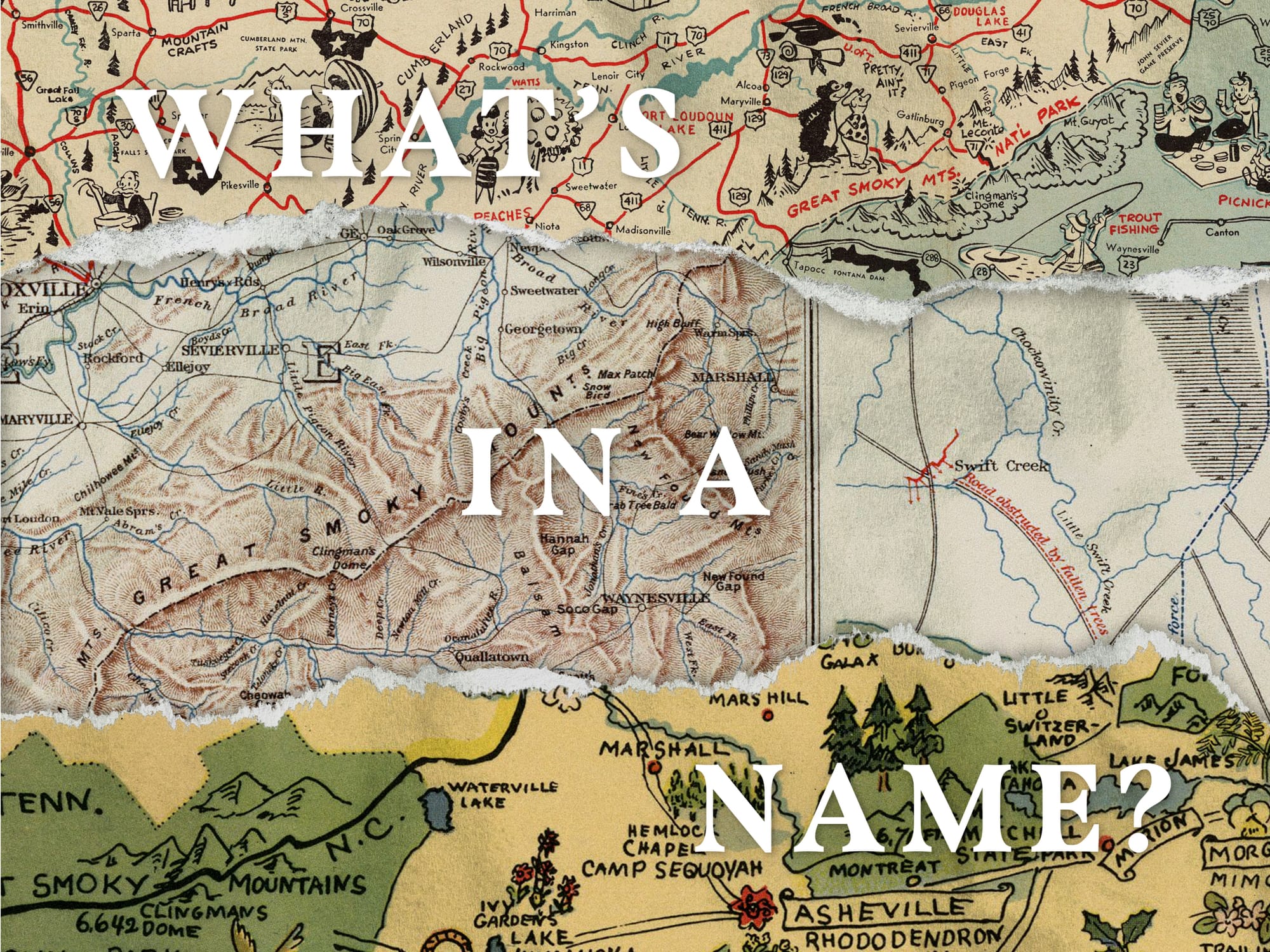
The mountain has been in existence for hundreds of millions of years and has been a site of great cultural significance for the Cherokee people for more than ten thousand. Now, after 165 years bearing the weighty moniker of Confederate general and “Prince of Politicians” Thomas Clingman, the peak had just been officially acknowledged by its ancestral name, Kuwohi. For Mary “Missy” Crowe and Lavita Hill, it was a high-altitude sigh of relief.
The mountain’s journey back to its origins had not been all that different from the winding trails that inscribe its slopes.
“We were both just community members chatting on Facebook. It’s how it all began,” Lavita recalls. Neither woman was an elected official. Notably, no women had been elected to office in the previous Tribal election, a rarity for this matrilineal community.
This post is for subscribers only
Subscribe now and have access to all our stories, enjoy exclusive content and stay up to date with constant updates.
This is not a paywall
You can read this story for free, once you sign in.